What winter does to Minnesota houses
Minnesota houses are built for cold, but a few things still go wrong every winter:
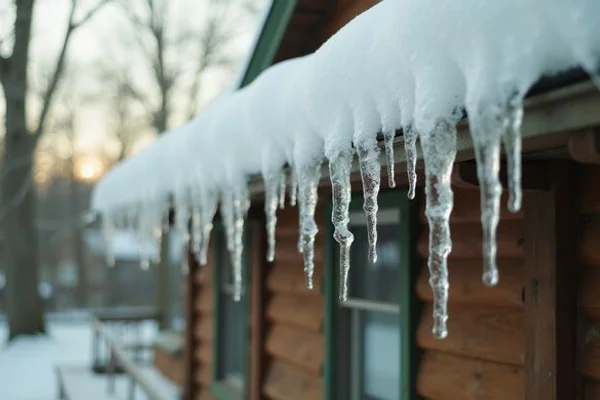
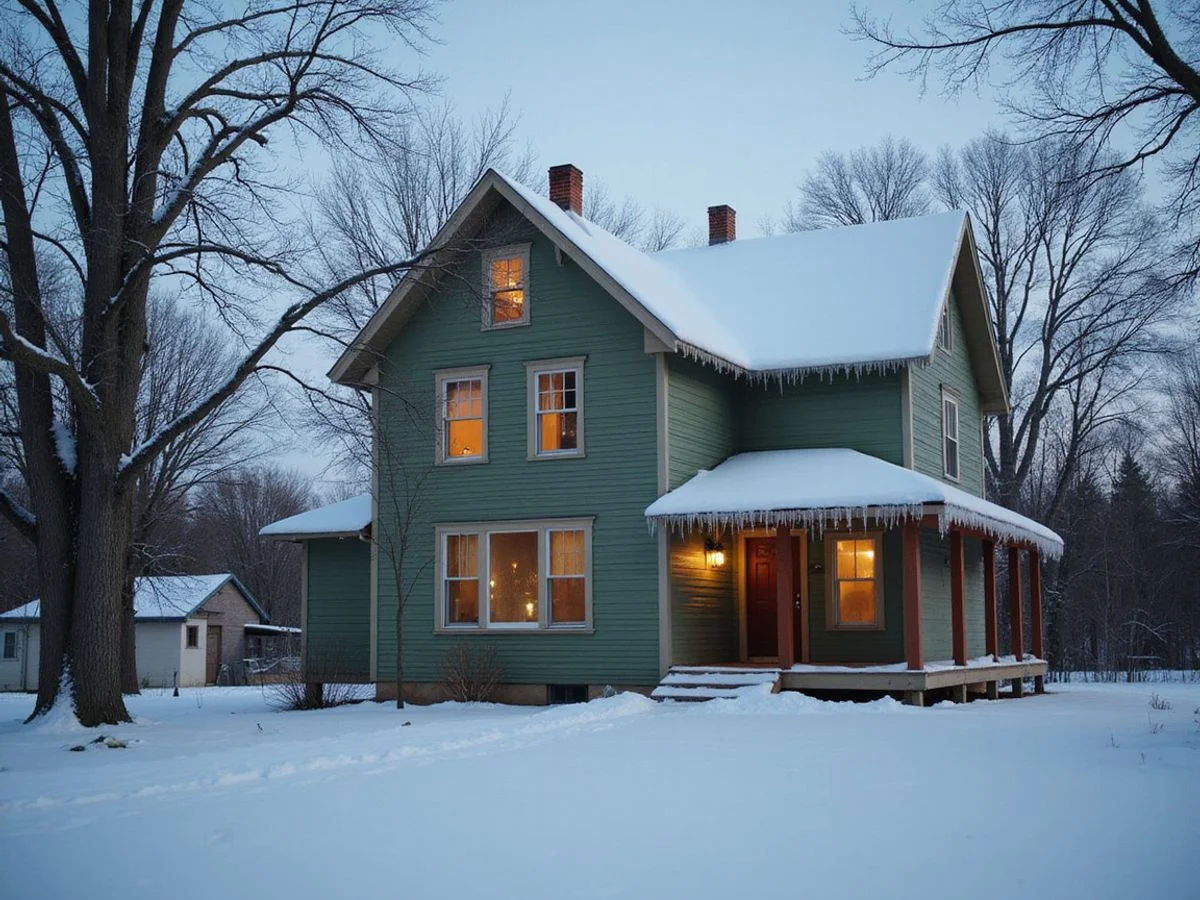
- Ice dams. Heat escaping into the attic melts roof snow, which refreezes at the eaves. Water backs up under the shingles and into ceilings and walls. Poor attic air sealing and insulation make it worse.
- Frozen and burst pipes. When the furnace fails or the power goes out, pipes on exterior walls freeze first. In an empty house, a burst pipe can run for days before anyone notices.
- Frozen water service lines. In deep cold, the line from the street can freeze, especially in older homes.
- Spring snowmelt. When the snow goes, the water has to go somewhere. Failed sump pumps and old clay tile drain lines let it into the basement.
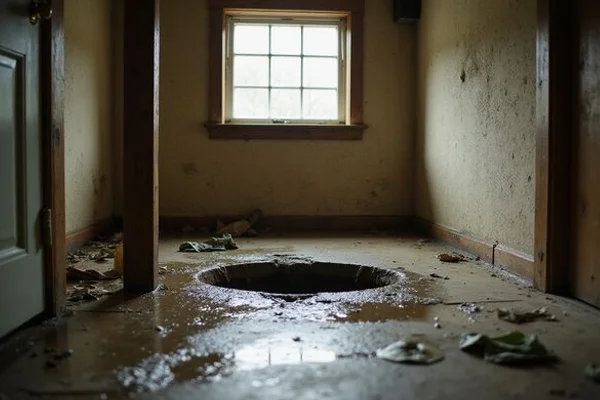
- Sewer backups. Heavy spring rain and melt can back sewage into basements without a backwater valve.
- Hail. Summer storms can damage roofs and siding, and leaks follow.
Vacant estate houses are at the highest risk
Most burst-pipe houses we see were empty. A parent died or moved into care, and the heat failed during a cold snap with no one there to notice. The damage is usually bigger than in an occupied house because the water ran longer. If you’re heading into winter with an empty house, read our 2026-27 winter prep post and our guide to frozen pipes in a vacant estate house.
Insurance comes first
Before you think about selling, call your insurance company. A few things to ask:
- Is there a vacancy clause? Many policies limit coverage once a house has been empty for a set period. A vacant home insurance policy may apply instead.
- Is sewer backup covered? It often requires a separate sewer backup endorsement.
- Do I need a public adjuster? For large claims, some owners hire one.
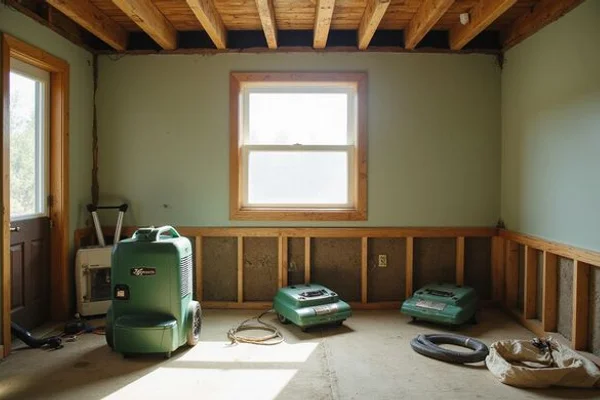
- Who’s doing mitigation? An IICRC-certified restoration contractor can dry the house and prevent mold.
We’re happy to work around an open claim. The claim is yours to handle with your insurer. As a Minnesota cash home buyer, we can talk about the house once the water is off.
Repair or sell as-is?
| Repair, then sell | Sell as-is to Minnesold | |
|---|---|---|
| Up-front work | Mitigation, drywall, flooring, maybe mold remediation | None |
| Money | Your deductible plus anything insurance won’t cover | Repairs priced into the offer |
| Time | Weeks to months, then listing | Close on your date |
| Disclosure | Still disclose past damage | Still disclose past damage |
| Best when | Insurance covers most of it and you have time | The house is vacant, far away, or the damage is big |
Wet basements have their own tradeoffs. See wet basement or failed sump pump: repair, disclose, or sell?.
What the damage looks like inside
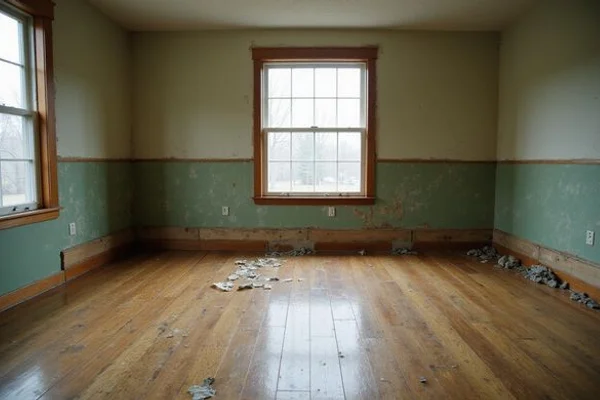
Water damage isn’t always obvious. Look for stained ceilings and walls, cupping or buckling in hardwood floors (a sign of subfloor damage), peeling paint near the tops of exterior walls, a musty smell, and efflorescence on basement walls. When we walk the house, we look at all of it and price the repairs openly.
Water damage and foundation problems often travel together
Years of water against a basement wall can push fieldstone and block foundations out of shape. If your basement walls are bowing or cracking, see foundation problems. And if the house has a longer list of problems, our sell as-is page covers the rest.