
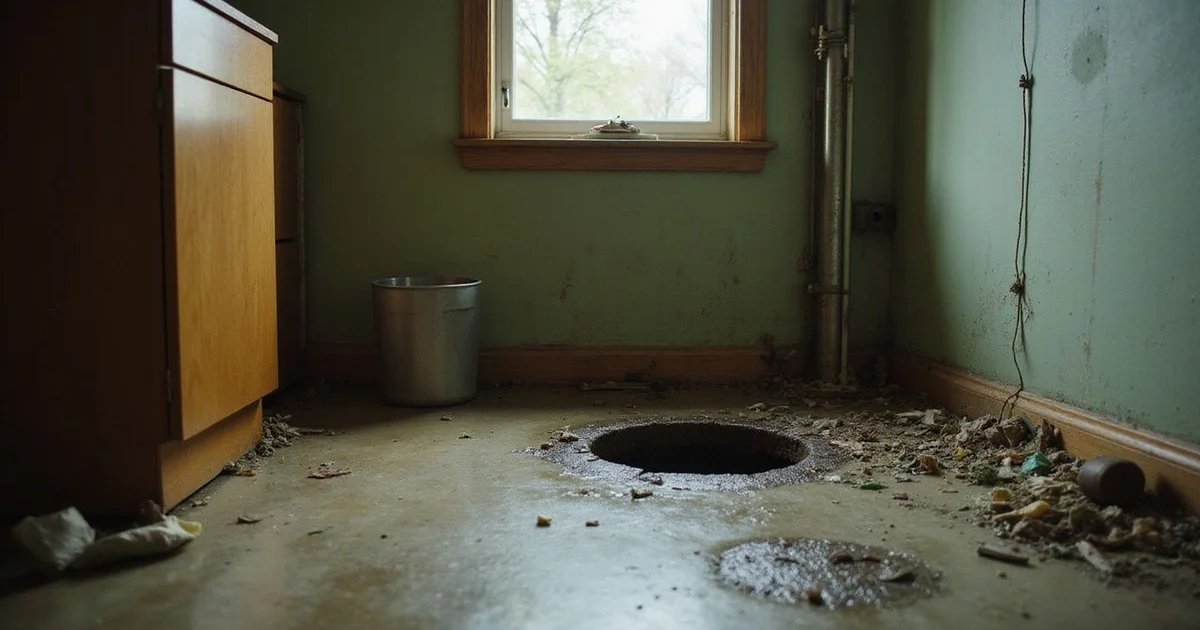
A wet basement is common in Minnesota
If your basement takes on water every spring, you’re not alone. Minnesota’s snowmelt, clay soils, and older drainage systems make wet basements one of the most common problems we see. The question for a seller is what to do about it: repair it, disclose it, or sell the house as-is. This guide walks through the choice, as part of our page on winter and water damage.
Why basements get wet
- Spring snowmelt: Months of snow melt at once, saturating the ground.
- Grading: Soil that slopes toward the house sends water to the foundation.
- Gutters and downspouts: Water dumped next to the house.
- Failed or undersized sump pumps: Or none at all.
- Clay tile drain lines: Older homes often have clay tile around the foundation that has clogged or collapsed.
- Sewer backups: Heavy rain can push sewage up floor drains without a backwater valve.
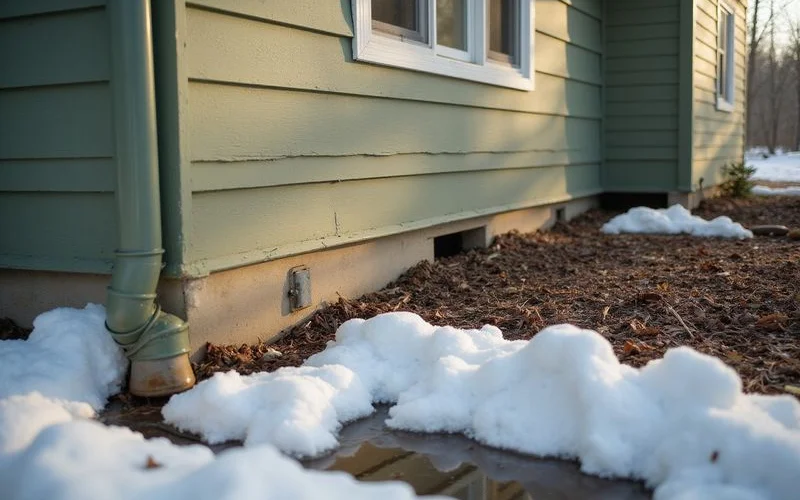
Your three choices
Repair it
Fixes range from simple (extending downspouts, regrading, a new sump pump) to major (interior drain tile, waterproofing, foundation work). Simple fixes can pay off. Major ones often cost more than they add.
Disclose it
Whatever you choose, known water problems generally need to be disclosed. As-is means no repairs, not no disclosures. Ask an attorney about wording.
Sell as-is
We buy houses with wet basements as they are. The repair shows up as a line in the written offer. If the water came from a burst pipe in an empty house instead, see frozen pipes in a vacant estate house.
Comparing repair and sale
| Repair then list | Sell as-is | |
|---|---|---|
| Up-front cost | Varies, can be large | None |
| Time | Weeks for work plus listing | Close on your date |
| Disclosure | Past water still disclosed | Past water still disclosed |
| Buyer pool | Wider after repair | Cash buyers |
| Best when | Cheap fix, updated house | Big drainage work, dated house |
When water becomes a foundation problem
Years of water pressure against basement walls can lead to cracking and bowing, especially in block and fieldstone foundations. If you see horizontal cracks or bowing, see our page on foundation problems.
How to tell what’s causing the water
Where and when water shows up is a clue to the cause:
| What you see | Likely cause |
|---|---|
| Water along the base of walls in spring | Snowmelt, grading, or failed drain tile |
| Water near one corner under a downspout | Gutters and downspouts |
| Water coming up through floor drains | Sewer backup |
| Sump pit overflowing | Failed, undersized, or unplugged pump |
| Damp walls and musty smell, no puddles | Condensation or slow seepage |
| Water after heavy rain only | Surface drainage or window wells |
A plumber or waterproofing contractor can confirm, and a camera inspection can show whether old clay tile lines have collapsed.
Low-cost fixes that sometimes help
Before spending a lot, some owners try inexpensive steps:
- Clean gutters and extend downspouts several feet from the house
- Build up soil so it slopes away from the foundation
- Install window well covers
- Test the sump pump, add a battery backup, and make sure it discharges away from the house
- Ask a plumber whether a backwater valve makes sense for sewer backups
These can make a real difference. If they don’t, the next steps, like interior drain tile, get expensive quickly.
A scenario to consider
Imagine an estate house in a 1950s neighborhood with water in the basement every April, an old clay tile line, and a sump pump that quit last year. The heirs live out of state. Fixing it means a drainage contractor, possibly finished-basement repairs, and managing the work from afar, then listing and disclosing the history anyway. For some families, that’s worth it. For many, selling as-is and letting the buyer handle the drainage is simpler. There’s no wrong answer, just a tradeoff.
Mold and a wet basement
If water has been sitting, check for mold on drywall, carpet, and stored items. You don’t need to remediate before selling to us, but don’t store keepsakes in a damp basement while you decide.
Next step
If you’re not sure which way to go, we can walk the house and give you a written offer, and our licensed agent can tell you honestly whether repairing and listing looks better.
Minnesold's team includes a licensed Minnesota real estate agent. Information on this site is general and educational. It is not legal, tax, or Medical Assistance advice. Talk with a probate attorney, elder law attorney, or CPA about your situation.