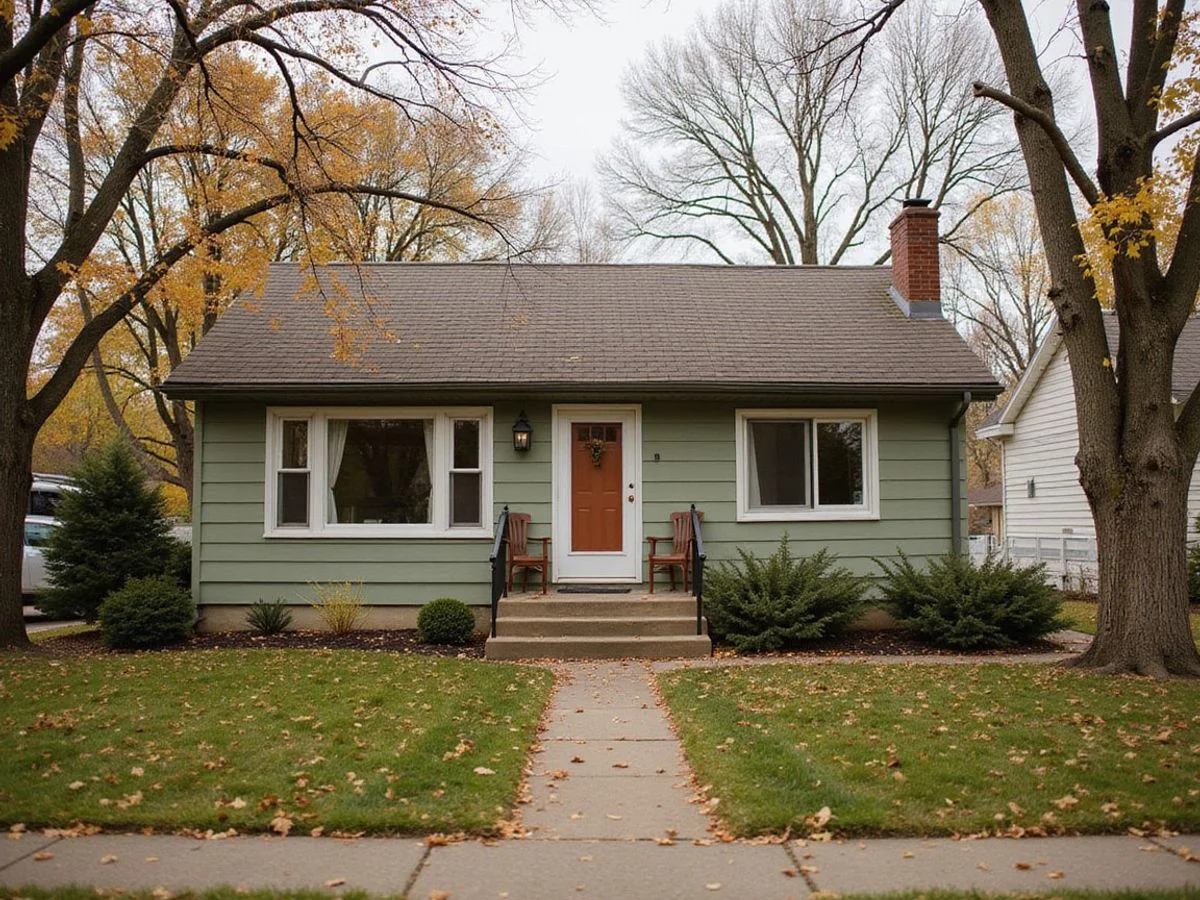
How does foreclosure work in Minnesota?
Most Minnesota foreclosures happen by advertisement, under Minn. Stat. chapter 580, rather than through a lawsuit. Here’s the general sequence. An attorney can tell you exactly where you are.
- Missed payments and a pre-foreclosure notice. Lenders generally must send a notice with information about foreclosure prevention counseling before starting.
- Notice of the sale. The lender publishes notice and records a notice of pendency. The notice sets a sheriff’s sale date.
- The sheriff’s sale. The property is sold at auction, often to the lender. The buyer receives a sheriff’s certificate.
- The redemption period. For most homeowners, it’s typically six months after the sale. During it, you can generally still live in the home and may be able to redeem it by paying the required amount.
- After redemption ends, ownership passes to the certificate holder.
Our guide to Minnesota foreclosure and the redemption period explains each step in plain terms.
Your options, including the ones without us
We’d rather you keep your house if you can. So before we talk about buying, here’s the honest list:
- Call your lender. Ask about a loan modification, forbearance, or a repayment plan. Minnesota law limits “dual tracking,” meaning lenders generally can’t move ahead with a sale while a complete loss mitigation application is pending (Minn. Stat. 582.043).
- Reinstate the loan. You may be able to catch up on missed payments and fees before the sale.
- Talk to a HUD-approved housing counselor. It’s free. The Minnesota Homeownership Center can connect you.
- Postponement. In some situations, a sale can be postponed. Ask an attorney quickly.
- List the house. If there’s time before the sale date, a listing may net more.
- Sell for cash. When the deadline is close and there’s equity to protect, a sale to one of the cash home buyers in Minnesota can close quickly.
See options when you’re behind on your mortgage for a side-by-side.
When a cash sale makes sense
A cash sale tends to fit when:
- You have equity you’d lose at a sheriff’s sale.
- The sale date is near and there’s no time for months of listing.
- The house needs repairs you can’t afford right now.
- You want a clean payoff and a fresh start.
| Foreclosure | Sale before the sheriff’s sale | |
|---|---|---|
| Your equity | Often lost or reduced | Paid to you after the payoff |
| Credit impact | Foreclosure on your record | Loan paid off (late payments may still show) |
| Deficiency | Possible in some cases | Loan paid in full from proceeds |
| Control of timing | Set by the process | You choose the date, within the deadline |
What if you’re already past the sheriff’s sale?
You may still have options during the redemption period, but they’re narrower and time matters. Read selling during the redemption period and call an attorney right away.
Divorce, a death, or a job loss behind it?
Missed payments usually follow something else: a divorce, a medical bill, a lost job, or a death in the family. We’ve heard it all, and we won’t judge. Call us, and we’ll start by listening.