Property Problems · Minnesota

Selling a Minnesota House With Bowing Basement Walls

Bowing block walls, a crumbling fieldstone foundation, stair-step cracks, or a wall that leaks every spring. Financed buyers often walk away. We buy as-is, price the repair, and show you how it affects the number.

  • Fieldstone and block foundations bought as-is
  • Repair cost shown in the offer math
  • No lender repair conditions
No Pressure

Request Your Cash Offer

Tell us about the house. You'll get a preliminary range within 24 hours, and the same person stays with you through closing.

Step 2 of 2 Address added

By submitting, you agree Minnesold may call or text you about your property. Consent is not a condition of any sale. Message and data rates may apply. See our Privacy Policy.

Confidential - One point of contact from day one

  • Licensed MN Agent on the Team

    We can compare a cash offer to a listing net honestly.

  • Leave What You Don't Want

    Take what you value. We donate usable items and haul the rest.

  • Minnesota Title & Probate Know-How

    Letters, TODD, TISH, and abstract vs. Torrens - with your attorney and title company.

  • Remote Closings

    Out-of-state sellers sign through the title company without traveling.

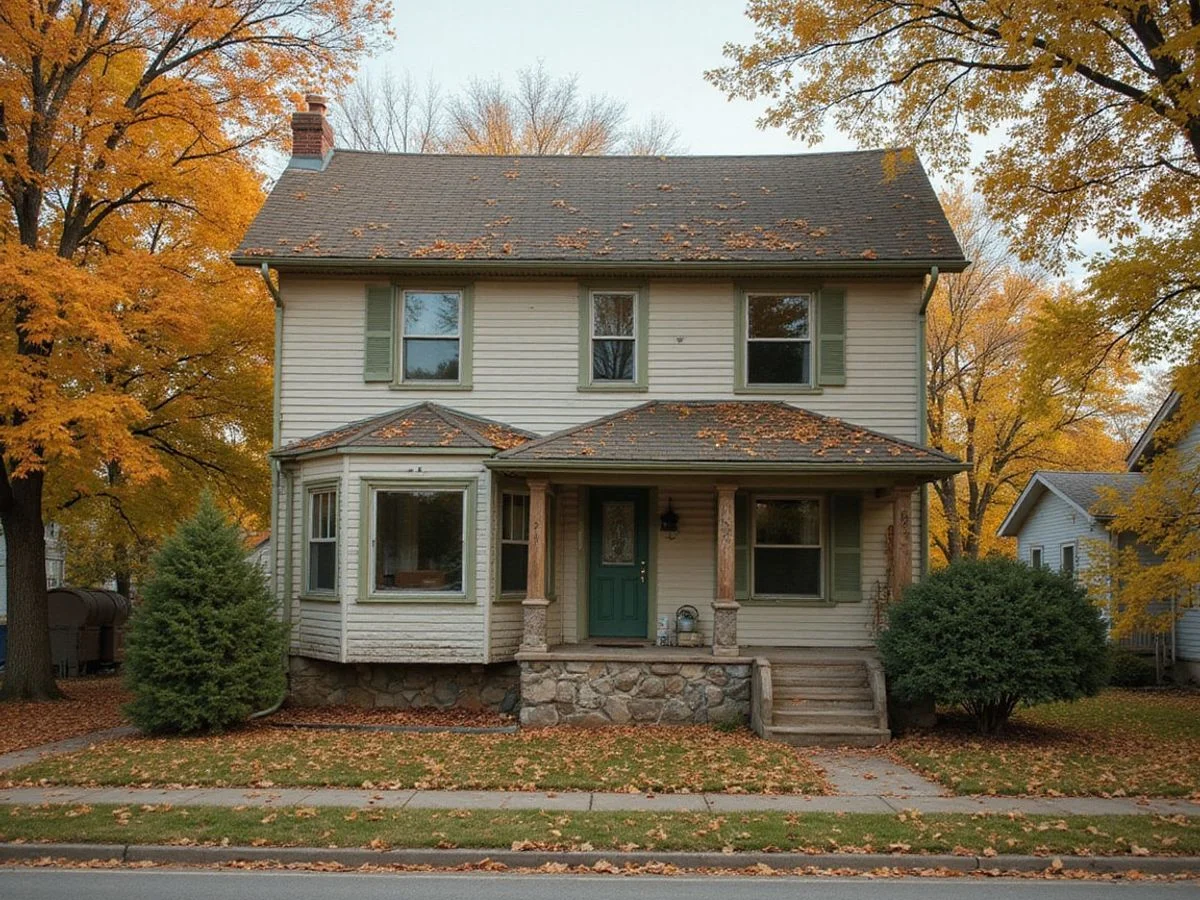
Older Minnesota two-story home with a visible stone foundation line
Our team includes a licensed Minnesota real estate agent.
What you're dealing with

How We Help With Foundation Problems Sales

Many older Minnesota homes sit on fieldstone or concrete block foundations, and water and frost push those walls over time. Financed buyers and lenders often balk. We buy as-is, get the repair priced, and show how it affects the offer. If a structural evaluation already exists, we'll use it.

  • Fieldstone and block foundations bought as-is
  • Repair cost shown in the offer math
  • No lender repair conditions
  • Existing structural evaluations used when available

Why older Minnesota foundations fail

A lot of Minnesota’s older homes sit on foundations that weren’t built for a century of wet springs and deep frost. Two types come up most often:

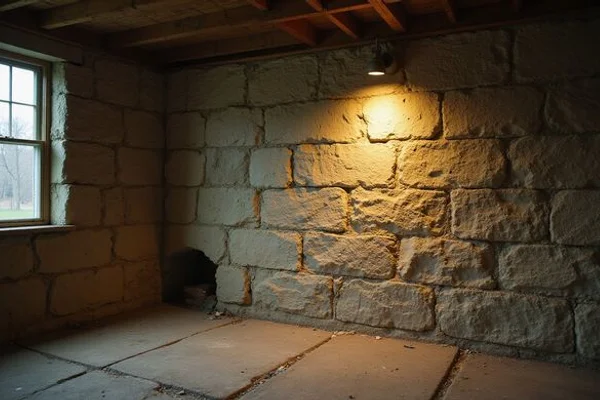
  • Fieldstone foundations, common in homes built before about 1940. Stones are set in mortar. Over time, water washes the mortar out, and sections can bulge or shift. They’re especially common in St. Paul’s pre-1940 neighborhoods. Some older homes in St. Paul and Rochester also sit on limestone.
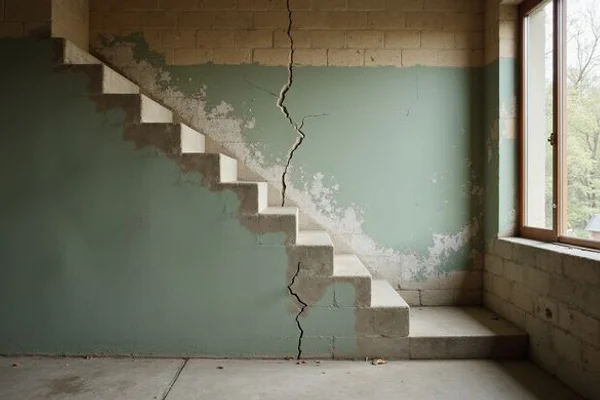
  • Concrete block foundations, common from the mid-century on. Blocks are strong under weight but weak against sideways pressure. Saturated soil and frost push on the wall, and it can crack and bow inward.

The cause is almost always water. Hydrostatic pressure from wet soil, frost heave in winter, poor grading, and failed drain tile all add up. Our guide on bowing basement walls: fieldstone vs. block explains how each type fails.

Signs of a foundation problem

  • Horizontal cracks in block walls, often at mid-height. These usually mean the wall is being pushed.
  • Stair-step cracks along mortar joints.
  • Bowing that you can see by sighting down the wall.
  • Loose stones or crumbling mortar in a fieldstone wall.
  • Efflorescence, the white chalky deposit left behind by water.
  • Sticking doors and sloping floors upstairs, which can point to differential settlement.

If you see these, a structural engineer’s evaluation is the right first step, whether you plan to sell or not.

Why these houses are hard to sell the usual way

Most buyers finance, and lenders care about foundations. An FHA appraisal or a conventional appraiser may flag a structural issue and require the repair before the loan closes. Inspectors will call it out. Buyers ask for big credits or walk away. That’s why foundation-problem houses often sit on the market or sell after long renegotiations.

A cash sale removes the lender from the picture. As a Minnesota cash home buyer, we buy the house with the foundation as it is.

Common repairs, in plain terms

RepairWhat it does
Wall anchors or bracesHold a bowing wall in place, sometimes pulling it back over time
Carbon fiber strapsReinforce walls with limited bowing
Interior drain tile and sumpRelieve water pressure against the wall
Helical or push piersSupport settling footings (underpinning)
Rebuild a sectionReplace the worst part of a failed wall
TuckpointingRepoint mortar in fieldstone or brick

Costs vary widely by house and contractor. On a sale to us, the estimate shows up as a line in the written offer.

Repair first, or sell as-is?

Repairing can make sense when the problem is limited, the rest of the house is updated, and the contractor offers a transferable repair warranty. Selling as-is often makes more sense when the repair is large, the house is dated anyway, or nobody has the time or cash to manage a foundation project. Read can you sell a house with foundation problems? and run your numbers with our calculator.

Foundation trouble and water damage usually go together. If your basement also floods, see winter and water damage. For everything else on the list, see sell as-is.
Off your plate

What We Handle for You

The parts of a sale that usually land on the family. On a sale to us, they land on us.

Old fieldstone basement wall with crumbling mortar joints

Fieldstone foundations

Common in pre-1940 homes, especially in St. Paul. Bought as they are.

Stair-step crack through a concrete block wall with efflorescence

Block walls that bow

Horizontal and stair-step cracks, and walls pushing in. No repair needed first.

Structural engineer report on a clipboard in a basement

Structural evaluations

Already have an engineer's report? We'll use it. If not, we price what we see.

Interior drain tile trench along a basement foundation wall

Water that caused it

Drain tile, grading, and sump problems usually come with it. We account for them.

The math, shown

How Is a Cash Offer Calculated on a House With Foundation Problems?

A cash offer is lower than a retail sale. We show you why, line by line, so you can check our work and compare it with listing.

Illustrative example

The offer formula

Round numbers for illustration only. Your written offer uses your house's real figures.

  • Value after repairs (example) $300,000
  • Repairs and updates -$35,000
  • Holding costs: taxes, insurance, utilities -$8,000
  • Cost of reselling the house -$22,000
  • Our profit, shown openly -$25,000

Example written offer

$210,000

An example only, not a quote. Mortgage, liens, and unpaid taxes are paid from proceeds.

What we pay for

Costs that don't come out of your pocket

  • Seller standard closing costs: state deed tax (plus the Hennepin/Ramsey surcharge), abstract update or title search, title closing fees
  • Cleanout of anything you leave behind, with donation first
  • Any required TISH evaluation or septic compliance inspection
  • No commission on a sale to us

Foundation work is usually the biggest single repair line. We show the estimate we used, and if you have a structural report or a contractor bid, we'll work from those.

Clear and simple

How a Foundation-Problem Sale Works With Us

Six steps from your first call to a title-company closing. The same person stays with you the whole way.

  1. 01

    Send the address or call

    Submit the address online or call (612) 229-7926. The web form is open 24/7, and we call back the same business day.

  2. 02

    A few questions, then a range

    Our client services lead asks who owns the home, whether probate is open, and what your timeline looks like. A preliminary price range follows within 24 hours.

  3. 03

    Walkthrough, in person or by video

    We walk the house with you or a family member. Out-of-state heirs can do it by video call, or we can meet a local key holder.

  4. 04

    Written offer with the math shown

    Within 24-48 hours of the walkthrough you get a firm written offer that shows each line: value after repairs, repair costs, holding costs, resale costs, and our profit.

  5. 05

    You pick the closing date

    Choose a date that fits the move, the care facility, or the family. For probate, we set the date with the estate's attorney and follow the court's timeline.

  6. 06

    Close through a title company

    Sign in person or remotely through the title company. Your mortgage, liens, and unpaid taxes are paid from the proceeds, and we pay the seller's standard closing costs.

Why Minnesold

Why Families Choose Minnesold for Foundation Problems

No lender hurdles

We pay cash, so there's no appraiser or lender asking for the wall to be fixed before closing.

Older-home experience

Fieldstone, block, and limestone foundations are part of Minnesota's older housing stock. We know what we're looking at.

Real repair numbers

We price foundation work openly and show it on the written offer.

No surprises at closing

Once you accept the written offer, the foundation isn't a renegotiation point.

Disclosure help

We walk you through your disclosure forms and suggest an attorney for tricky questions.

A licensed agent on the team

If repairing first would net you more, we'll say so.

Common Questions

Foundation Problems: Questions Families Ask

Can you sell a house with foundation problems?

Yes. Many financed buyers walk away or their lenders require repairs first, which is why these homes often sit. A cash buyer can buy as-is. We price the repair into the offer and show the line item.

Will a lender finance a house with a bowing wall?

Often not until it's repaired. FHA and many conventional appraisals flag structural issues, and the lender may require the repair before closing. That's the main reason owners with foundation problems choose a cash sale.

Do I have to disclose foundation problems?

Generally, yes. Known structural problems usually need to be disclosed. Ask an attorney about the wording if you're unsure.

Why do basement walls bow?

Water and frost. Saturated soil pushes against the wall (hydrostatic pressure), and freeze-thaw cycles add pressure every winter. Over years, block walls can crack horizontally and bow inward, and fieldstone mortar can wash out.

Are fieldstone foundations bad?

Not always. Many have stood for a century. They need upkeep, like tuckpointing and water control, and they can fail if water is left unmanaged. A structural engineer can tell you where yours stands.

What do foundation repairs usually involve?

It depends on the problem: wall anchors, carbon fiber straps, bracing, helical or push piers, interior drain tile, or rebuilding a section of wall. A structural engineer's evaluation is the right starting point.

Should I fix the foundation before selling?

Sometimes. If the repair is modest and the rest of the house is updated, fixing it with a transferable repair warranty can help a listing. If the repair is large, it often doesn't pay back. We'll help you compare.

Do you need an engineer's report?

No. If you have one, we'll use it. If you don't, we'll price what we see during the walkthrough.

Do you pay closing costs?

Yes. We pay the seller's standard closing costs: state deed tax (plus the Hennepin or Ramsey surcharge where it applies), the abstract update or title search, and title closing fees.

Still have a question about your situation?

Call us or send the address. You'll talk to the same person from first call to closing.

Calm, specific, no pressure

Sell the House As It Stands Today

Call or send the address. A preliminary range comes within 24 hours, and the written offer shows every line of the math. You choose the closing date.

Phone: Mon-Wed & Fri-Sat 8 AM-7 PM | Thu 9 AM-7 PM | Closed Sunday. Web form open 24/7, callback the same business day.

Call Us