Why a full house stops families from selling
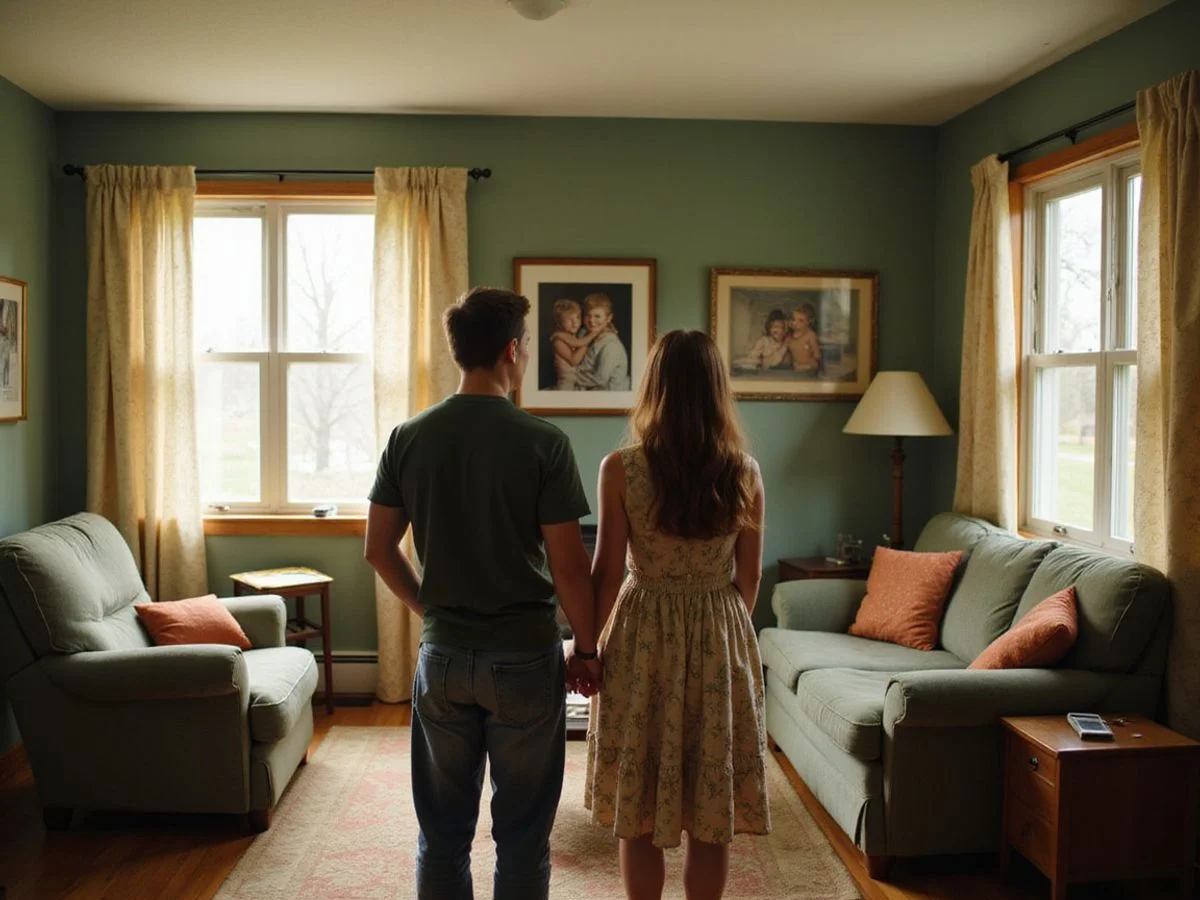
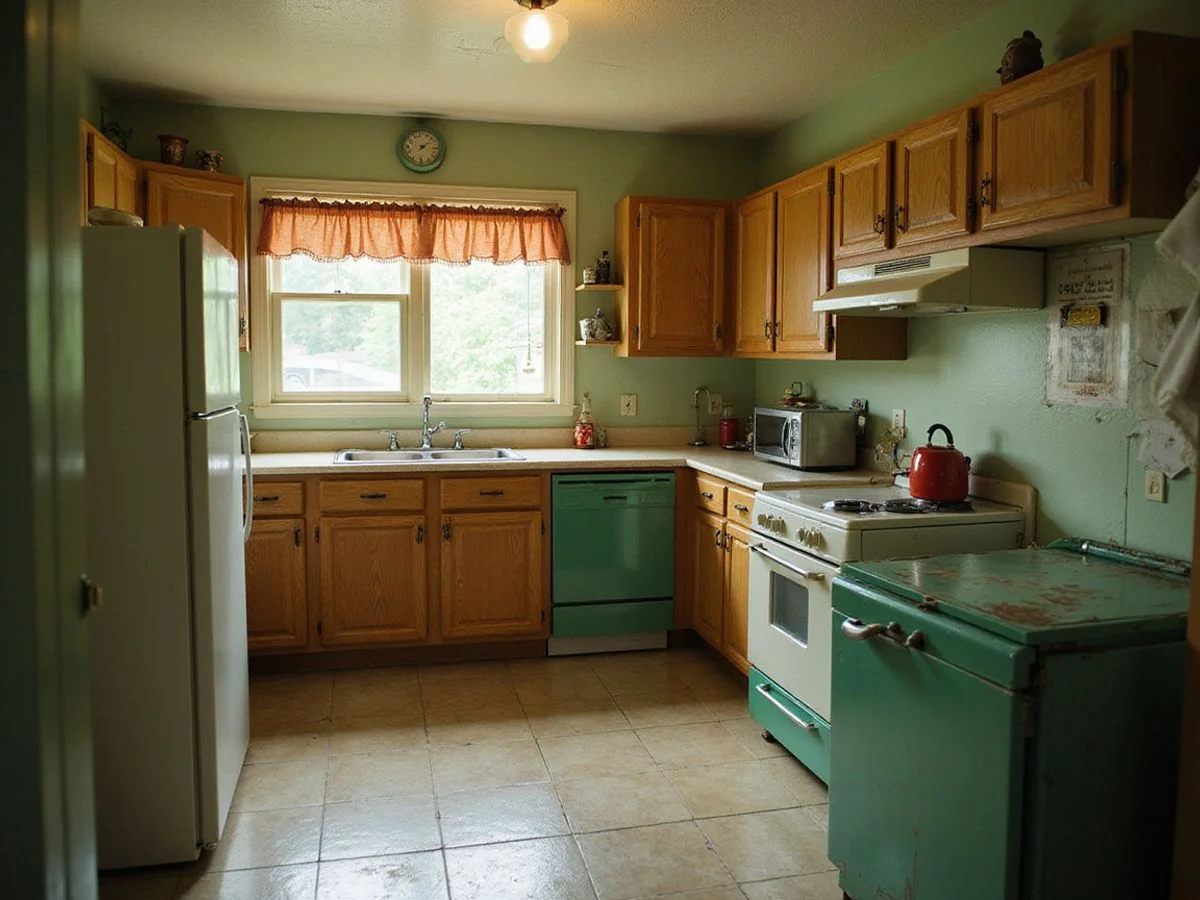
It’s almost never the house itself. It’s the basement shelves, the closets, the garage, the workshop, the drawers of paperwork. When a parent dies or moves into care, the family often lives far away, works full-time, and has no idea how to get through decades of belongings. So the house sits. And every month, it costs taxes, insurance, and utilities.
As a Minnesota cash home buyer, we take the house as it is, with the belongings inside. You take what matters. We handle the rest and pay for it.
How to sort a family home before selling
A simple method helps a lot. Our full guide, keep, donate, or leave: sorting a family home, goes deeper. Here’s the short version:
- Documents and valuables first. Wills, deeds, the abstract of title, tax returns, bank and insurance papers, jewelry, cash tucked away in books.
- Photos and letters. These matter most to most families and are easy to lose in a cleanout.
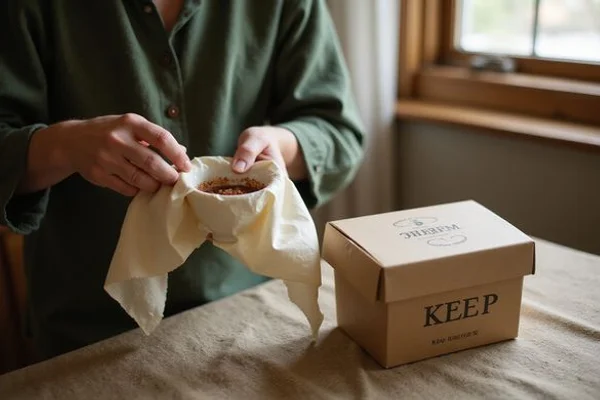
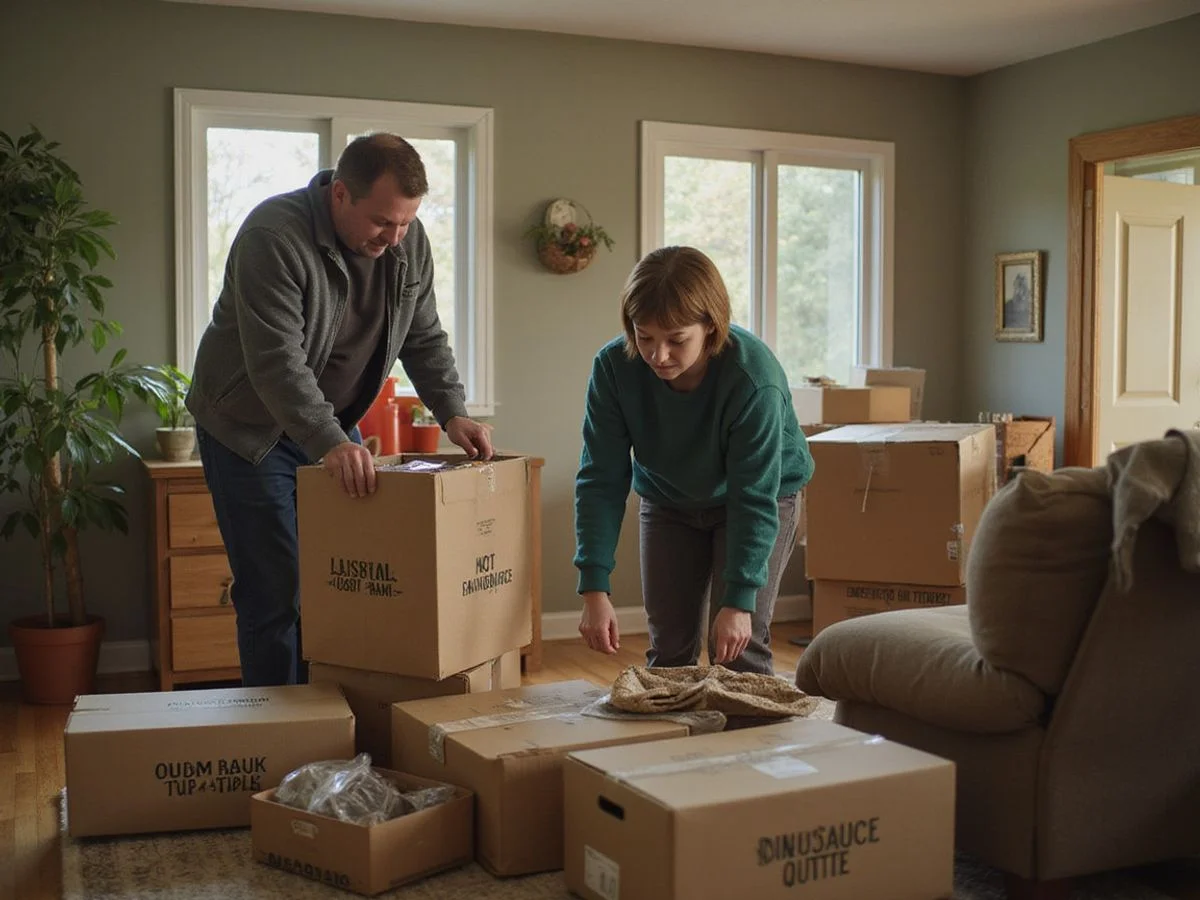
- Keepsakes by family member. Let each person choose a few things. Label boxes by name.
- Leave the rest. Everything else can stay for us to handle.
Look before you toss
Families often find cash, savings bonds, and important papers in unexpected places: freezer bags, old coat pockets, the backs of drawers. Do a document search before the cleanout starts.
Estate sale first, or sell with contents?
| Run an estate sale first | Sell with contents to us | |
|---|---|---|
| Time | Weeks of prep, sale, and cleanup | Walkthrough and a closing date |
| Money | Sale proceeds, minus the company’s fee | No cleanout cost to you |
| What’s left after | Often a lot, and it’s still yours to clear | We handle it |
| Best for | Valuable collections, quality furniture, tools | Ordinary household goods, tight timelines |
You can also do both: run an estate sale, and we take whatever doesn’t sell. Read estate sale first or sell with contents?.
Where the belongings go
We work in this order:
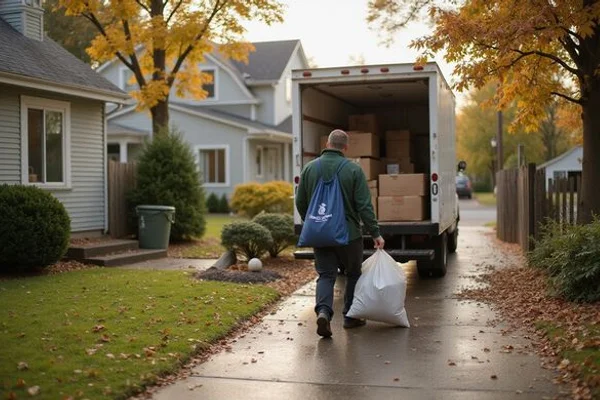
- Donation first. Usable furniture and household goods go to donation where possible, such as furniture banks for families setting up homes and resale stores like Habitat for Humanity ReStore.
- Recycling next. Metal, electronics, cardboard, and appliances are recycled where possible.
- Hauling last. What’s left goes to proper disposal.
- Hazardous items separately. Old paint, chemicals, and batteries go to county household hazardous waste drop-off sites.
Hoarding situations
Hoarding disorder is more common than most people realize, and families often feel embarrassed or overwhelmed. Please don’t be. We’ve seen it, and we handle it quietly. If walking through the house is hard, we can do the walkthrough by video. Hidden damage like leaks or floor problems gets priced into the written offer, not sprung on you later. See selling a hoarder house in Minnesota.
When the house is far away
For families in other states, a full house is the hardest part. We can walk rooms with you by video so you can point out what to keep, box and ship a few things, or coordinate with a local family friend. Read selling an inherited house from out of state, or start with our page on selling an inherited house.