
First: there’s nothing to be embarrassed about
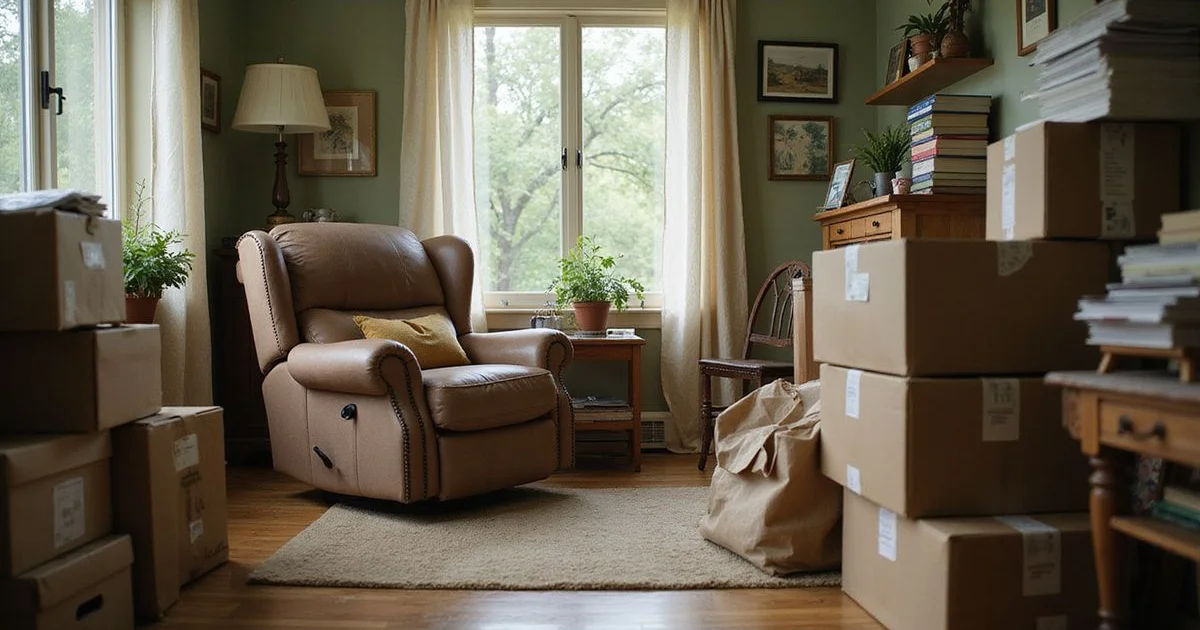
Families often apologize before they even describe the house. Please don’t. Hoarding disorder is more common than most people realize, and it’s a health condition, not a character flaw. Sometimes it builds up slowly after a loss. Sometimes a parent simply couldn’t keep up. Whatever happened, you’re not the first family to call us about a house like this, and you won’t be the last. This guide explains how a sale can work, as part of our page on a house full of belongings.
Why these houses are hard to sell the usual way
- Showings aren’t realistic. Buyers and agents can’t see the house.
- Cleanout costs are high. Dumpsters, crews, and disposal fees add up fast.
- Hidden damage. Leaks, floor problems, pests, and mold can hide under the clutter.
- Emotional weight. Families are grieving, embarrassed, or exhausted.
How a sale works with us
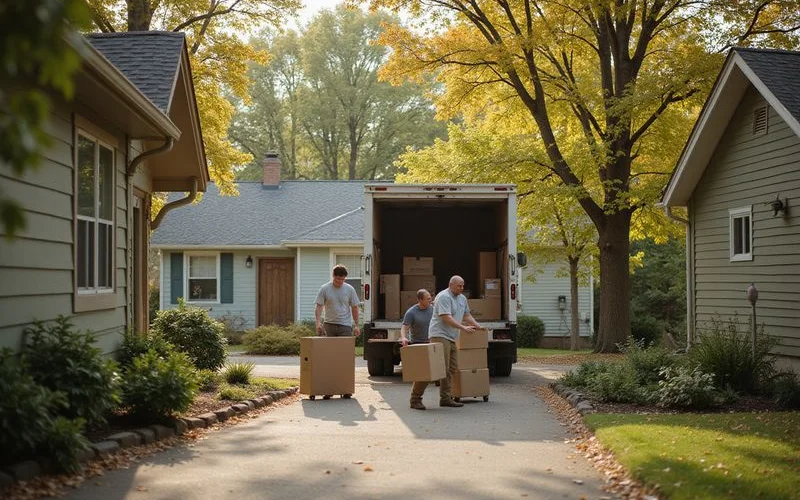
- A private conversation. Tell us what you’re comfortable sharing. No judgment.
- A walkthrough your way. In person, with a key holder, or by video. You don’t have to go inside if it’s too hard.
- Take what matters. If there are documents, photos, or keepsakes you need, we’ll help plan how to find them safely.
- A written offer that shows how the cleanout and likely repairs affect the price.
- You pick the closing date.
- We handle the rest, with donation first where items are usable.
What we look for
| Area | What we check |
|---|---|
| Roof and ceilings | Signs of leaks |
| Floors | Soft spots and water damage |
| Plumbing and heat | Whether systems work |
| Electrical | Safety concerns |
| Pests and odors | Signs of infestation or mold |
| Structure | Foundation and walls where visible |
Anything we can’t fully see, we price conservatively and explain on the offer.
Safety first
If a house is so full it’s unsafe to enter, don’t go in. Blocked exits, weak floors, and mold can be dangerous. We’ll plan around it.
If the person is still living there
If a parent is still living in the home, the situation is more delicate. Health and safety come first, and a doctor, social worker, or county adult services may be able to help. Selling is a later conversation.
What families often worry about
These are the questions we hear most, and the honest answers:
- “Will people judge us?” Not us. Our job is the house, not the story behind it.
- “Will the neighbors know?” A sale to us has no yard sign, open house, or showings. The cleanout crew works as quietly as the job allows.
- “What if there are valuables buried in there?” We’ll talk about what you’re looking for, like documents, photos, or jewelry, and plan how to set those aside during the cleanout.
- “What if the house is damaged?” It often is, and that’s okay. We price it in.
- “Do we have to go inside?” No. If it’s too hard or unsafe, we can do the walkthrough without you.
Before the cleanout: what to find
If you’re able to, or if you want us to watch for them during the cleanout, make a short list of things that matter:
| Item | Where it’s often found |
|---|---|
| Wills, deeds, and titles | Desks, file boxes, closets |
| Financial statements | Mail piles, kitchen drawers |
| Cash and savings bonds | Books, envelopes, freezers, coat pockets |
| Photos and letters | Boxes, closets, under beds |
| Jewelry | Dresser drawers, small boxes |
| Keys | Hooks, drawers, cars |
Hoarded homes often have important papers mixed into ordinary piles. A careful document search saves a lot of heartache.
Health and safety
Heavily cluttered homes can have mold, pests, poor air quality, or blocked exits. If you go inside, wear a mask and gloves, keep a path clear, and don’t move heavy stacks. Professional crews use protective gear for a reason.
If you want to clean some of it yourself
Some families want to go through part of the house themselves, which is completely fine. Pick one room, focus on documents and keepsakes, and stop when you’ve found what matters. Our guide to sorting a family home before a sale has a simple keep, donate, or leave method. You don’t have to finish. Whatever’s left is ours to handle after closing.
Related situations
Many hoarder houses are also estate homes or need significant repairs. See sell as-is and our page on selling an inherited house.
Minnesold's team includes a licensed Minnesota real estate agent. Information on this site is general and educational. It is not legal, tax, or Medical Assistance advice. Talk with a probate attorney, elder law attorney, or CPA about your situation.