Life Transitions · Minnesota

Selling a Minnesota Home That Passed by Transfer on Death Deed

If a parent recorded a Transfer on Death Deed, the house may come to you without probate. There are still a few recording steps before it can be sold. We work with your title company on those, and you get a written offer with every line of the math.

  • Title company coordination on the TODD recording steps
  • Several beneficiaries can sign remotely
  • Belongings and cleanout handled by us
No Pressure

Request Your Cash Offer

Tell us about the house. You'll get a preliminary range within 24 hours, and the same person stays with you through closing.

Step 2 of 2 Address added

By submitting, you agree Minnesold may call or text you about your property. Consent is not a condition of any sale. Message and data rates may apply. See our Privacy Policy.

Confidential - One point of contact from day one

  • Licensed MN Agent on the Team

    We can compare a cash offer to a listing net honestly.

  • Leave What You Don't Want

    Take what you value. We donate usable items and haul the rest.

  • Minnesota Title & Probate Know-How

    Letters, TODD, TISH, and abstract vs. Torrens - with your attorney and title company.

  • Remote Closings

    Out-of-state sellers sign through the title company without traveling.

Beneficiary reviewing a recorded Transfer on Death Deed at a kitchen table
Our team includes a licensed Minnesota real estate agent.
What you're dealing with

How We Help With TODD Homes Sales

A home with a recorded Transfer on Death Deed may pass to the beneficiary without probate. Before selling, the beneficiary typically records a certificate of death and an affidavit. We coordinate with your title company, confirm what it needs, and give you a written offer with the math shown. Your attorney confirms the legal steps; we handle the house.

  • Coordination with the title company on TODD recording requirements
  • Multiple beneficiaries can sign remotely
  • Belongings and cleanout handled
  • Attorney referral for questions about the deed

What is a Transfer on Death Deed?

A Transfer on Death Deed (TODD) lets a Minnesota homeowner name who gets the house when they die. It’s authorized by Minnesota statute (Minn. Stat. 507.071), and it has to be recorded with the county before the owner dies to work. While the owner is alive, the beneficiary owns nothing, and the owner can change or revoke the deed.

When the owner dies, a house with a recorded TODD may pass to the grantee beneficiary without going through probate. That’s why TODDs are popular with Minnesota parents who want to keep things simple for their kids. It’s also why selling a TODD home, whether you list it or sell to a Minnesota cash home buyer, can be faster than selling a probate house. But “faster” isn’t the same as “no steps.” Your attorney confirms what applies. If you’re not sure whether there even is a TODD, our guide to probate vs. TODD in Minnesota walks through how to tell.

What happens before a TODD home can be sold?

In general, the beneficiary has to show the county that the owner died and that they’re the named beneficiary. That usually means recording:

  1. A certified certificate of death for the owner.
  2. An affidavit, often called an affidavit of identity and survivorship, signed by the beneficiary.

These are recorded with the county recorder for abstract property, or with the registrar of titles for Torrens property. Torrens property sometimes needs an extra step, like an examiner of titles directive. The title company reviews it all and issues a title commitment. Our guide to recording the death certificate and affidavit covers the order of steps.

Talk to the title company early

Every county handles recording a little differently. We call the title company at the start so you know exactly what’s needed before a closing date is set.

When there’s more than one beneficiary

Many parents name all of their children. When several beneficiaries inherit a TODD home, they generally own it together, often as tenants in common. That means:

  • Everyone on title signs. Each beneficiary signs the purchase agreement and the deed.
  • Signing can be remote. Beneficiaries in different states sign through the title company.
  • Proceeds are split at closing according to each person’s share.

If the beneficiaries can’t agree, that’s a legal question for an attorney. Read selling a TODD home with multiple beneficiaries for more.

TODD vs. probate: what’s different for selling?

TODD homeProbate home
Who signsThe beneficiary or beneficiariesThe personal representative
Authority comes fromRecorded death certificate and affidavitLetters from the court
Typical timelineOften shorterSet by the court and attorney
Court involvementUsually none for the houseYes

Both paths end at a title company closing. If the house needs probate after all, see our page on selling an inherited house.

Things that can complicate a TODD sale

Most TODD sales go smoothly. A few things can slow them down:

  • Creditor claims. In some cases, creditors of the owner’s estate can make claims against TODD property.
  • Medical Assistance. If the owner received MA, the state may have a claim. Title companies sometimes ask for a Medical Assistance clearance certificate from the Department of Human Services. See MA estate recovery and an inherited home.
  • A beneficiary who died first. If the deed named a successor beneficiary, that person steps in. If not, ask an attorney.
  • A revoked or unrecorded deed. A TODD that was signed but never recorded before death may not work at all.

We can’t give legal advice on any of these. We can make sure the title company flags them early, so they don’t show up the week of closing.

Paperwork at closing

Beyond the deed, expect the usual Minnesota closing forms: a certificate of real estate value (eCRV) filed with the county, the radon disclosure, and a well disclosure certificate if the property has a well. The title company prepares most of it. We walk you through the seller forms.

Selling the house itself

Once the paperwork is in order, the sale works like any other sale to us. We walk the house, in person or by video. You get a written offer with the math shown. You pick the closing date. The family takes what matters, and we handle the house full of belongings that’s left.


Off your plate

What We Handle for You

The parts of a sale that usually land on the family. On a sale to us, they land on us.

Beneficiary handing documents across a county recorder counter

Recording steps, confirmed

We check with the title company on exactly what needs to be recorded before closing, and in which county.

Three siblings on a video call reviewing a document

Every beneficiary, anywhere

Co-beneficiaries in other states can sign through the title company without traveling.

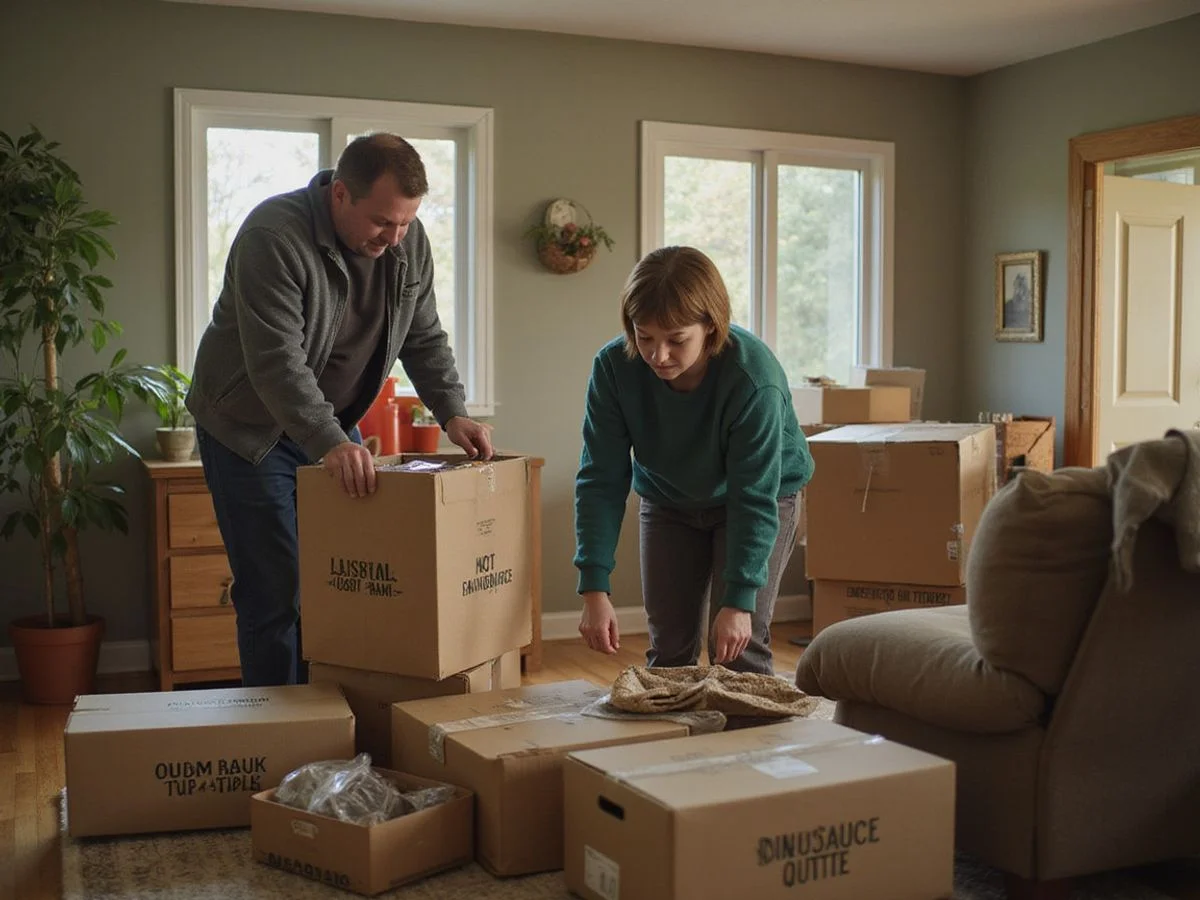
Family keepsakes packed into a labeled box by a window

The house, as it is

No repairs or cleaning. Take the keepsakes, and we handle the rest.

Title company closer arranging signature pages for several sellers

Proceeds split at closing

The title company divides the proceeds among the beneficiaries on title.

The math, shown

How Is a Cash Offer Calculated for a TODD Home?

A cash offer is lower than a retail sale. We show you why, line by line, so you can check our work and compare it with listing.

Illustrative example

The offer formula

Round numbers for illustration only. Your written offer uses your house's real figures.

  • Value after repairs (example) $300,000
  • Repairs and updates -$35,000
  • Holding costs: taxes, insurance, utilities -$8,000
  • Cost of reselling the house -$22,000
  • Our profit, shown openly -$25,000

Example written offer

$210,000

An example only, not a quote. Mortgage, liens, and unpaid taxes are paid from proceeds.

What we pay for

Costs that don't come out of your pocket

  • Seller standard closing costs: state deed tax (plus the Hennepin/Ramsey surcharge), abstract update or title search, title closing fees
  • Cleanout of anything you leave behind, with donation first
  • Any required TISH evaluation or septic compliance inspection
  • No commission on a sale to us

A TODD home skips probate in many cases, but the house itself is often the same: a parent's home, lived in for decades. The written offer shows how its condition affects the numbers, and every beneficiary sees the same page.

Clear and simple

How Selling a TODD Home Works With Us

Six steps from your first call to a title-company closing. The same person stays with you the whole way.

  1. 01

    Send the address or call

    Submit the address online or call (612) 229-7926. The web form is open 24/7, and we call back the same business day.

  2. 02

    A few questions, then a range

    Our client services lead asks who owns the home, whether probate is open, and what your timeline looks like. A preliminary price range follows within 24 hours.

  3. 03

    Walkthrough, in person or by video

    We walk the house with you or a family member. Out-of-state heirs can do it by video call, or we can meet a local key holder.

  4. 04

    Written offer with the math shown

    Within 24-48 hours of the walkthrough you get a firm written offer that shows each line: value after repairs, repair costs, holding costs, resale costs, and our profit.

  5. 05

    You pick the closing date

    Choose a date that fits the move, the care facility, or the family. For probate, we set the date with the estate's attorney and follow the court's timeline.

  6. 06

    Close through a title company

    Sign in person or remotely through the title company. Your mortgage, liens, and unpaid taxes are paid from the proceeds, and we pay the seller's standard closing costs.

Why Minnesold

Why Families Choose Minnesold for Transfer on Death Deed Homes

We know the TODD steps

Certificate of death, affidavit, county recording. We know what title companies usually ask for, and we check early.

Remote-friendly

Beneficiaries in different states can walk the house by video and sign through the title company.

Neutral numbers

One written offer, the same math for every beneficiary. It keeps family conversations simple.

If there's a question about the deed itself, we point you to an attorney rather than guessing.

Cleanout included

Take what matters and leave the rest. We pay for donation, recycling, and hauling.

A licensed agent on the team

We'll tell you honestly if listing would net more for the beneficiaries.

Common Questions

Transfer on Death Deed Homes: Questions Families Ask

Does a Transfer on Death Deed mean we skip probate?

Often, for the house. A home with a recorded Transfer on Death Deed may pass to the named beneficiary without probate. Other assets in the estate may still need probate, and some situations, such as a problem with the deed or a creditor claim, can complicate things. Your attorney confirms what applies.

What has to be recorded before we can sell?

In general, the beneficiary records a certified death certificate and an affidavit (often called an affidavit of identity and survivorship) with the county where the property sits. On Torrens property, the registrar of titles may have its own requirements. The title company tells you exactly what it needs, and we coordinate with them.

Do all the beneficiaries have to sign?

Everyone who holds title needs to sign. When a TODD names several beneficiaries, they usually take the property together, often as tenants in common. Each one signs, and they can do it remotely through the title company. Proceeds are split at closing according to ownership.

What if one beneficiary doesn't want to sell?

That's a real problem, and it's a legal one. Talk with an attorney about the options. A written offer with the math shown can help everyone look at the same numbers, but we won't pressure anyone.

What if a beneficiary died before the owner?

Many TODDs name a successor or contingent beneficiary for that reason. If they don't, what happens depends on the deed's wording and Minnesota law. That's a question for an attorney before anything is recorded.

Can the state's Medical Assistance program have a claim on a TODD home?

Possibly. If the owner received Medical Assistance, the state may have a claim, and Minnesota has specific rules about this for TODD property. Title companies sometimes ask for a Medical Assistance clearance from the Department of Human Services. Ask your attorney before counting on the proceeds.

How fast can we close on a TODD home?

Once the recording steps are done and title is clear, we can often close in about two weeks, and you pick the date. Recording times vary by county, so we plan the date with the title company.

Do we need to clean out the house?

No. Take what you want, and leave the rest. We handle and pay for the cleanout, and donate usable items where possible.

Who pays closing costs?

We pay the seller's standard closing costs: the state deed tax (plus the Hennepin or Ramsey surcharge where it applies), the abstract update or title search, and title closing fees. Any mortgage or liens are paid from proceeds.

Is a TODD the same as joint tenancy?

No. With joint tenancy, the co-owner already owns the home during the owner's life. With a TODD, the beneficiary has no ownership until the owner dies, and the owner can revoke or change the deed while alive. An attorney can explain what your family's documents say.

Still have a question about your situation?

Call us or send the address. You'll talk to the same person from first call to closing.

Calm, specific, no pressure

Take the House Off Your Family's Plate

Call or send the address. A preliminary range comes within 24 hours, and the written offer shows every line of the math. You choose the closing date.

Phone: Mon-Wed & Fri-Sat 8 AM-7 PM | Thu 9 AM-7 PM | Closed Sunday. Web form open 24/7, callback the same business day.

Call Us