

What is a TISH evaluation?
Truth-in-Sale of Housing, usually called TISH, is a city program that requires a basic evaluation of a home before it’s sold. A city-licensed evaluator walks through the house and reports on major systems and conditions. The goal is to give buyers information up front and to catch certain hazards. It’s one of the Minnesota rules we handle often at Minnesold, because so many older homes in the two biggest cities fall under it.
A TISH evaluation isn’t a full home inspection. It’s generally a visual review based on the city’s checklist. It doesn’t replace a buyer’s own inspection, and it isn’t a pass-or-fail appraisal of the home.
Which cities require one?
Minneapolis and St. Paul both require a Truth-in-Sale of Housing evaluation before most home sales. If you’re selling a house in either city, plan on it.
Beyond those two, some other Minnesota cities run their own time-of-sale or point-of-sale inspection programs. Names, rules, and requirements vary, and cities do change them. We don’t publish a list of other cities here because we’d rather you get current, verified information than an outdated one. Before you sell, call your city’s inspections or housing office and ask whether a time-of-sale evaluation applies to your address. When we buy, we confirm this for you.

What the evaluator looks at
Each city sets its own checklist, but evaluations commonly cover:
- Heating system and venting
- Plumbing, including the water heater and visible supply and drain lines
- Electrical service and visible wiring, where older systems like knob-and-tube may be noted
- Structure, including visible foundation conditions
- Stairs, railings, and smoke and carbon monoxide detectors
- Windows, doors, and exterior conditions
Items are usually sorted into categories, such as items that meet the standard, items that are below standard but not required to fix, and items that must be repaired. The exact categories depend on the city.
What repair orders mean for a sale
When an evaluation identifies required repairs, the city generally wants them fixed, either before closing or within a set time after. Depending on the city and the item, the seller may make the repair, the buyer may agree to take it on, or money may be held back at closing. That can slow a traditional sale down, especially with an older house.
| Situation | Traditional listing | Sale to Minnesold |
|---|---|---|
| Ordering the evaluation | Seller orders and pays | We order and pay |
| Required repair items | Negotiated; often the seller’s | Our responsibility as buyer |
| Report shared with buyers | Yes | Yes, with us |
| Effect on timeline | Can add weeks | Planned into our closing |
Older houses and TISH
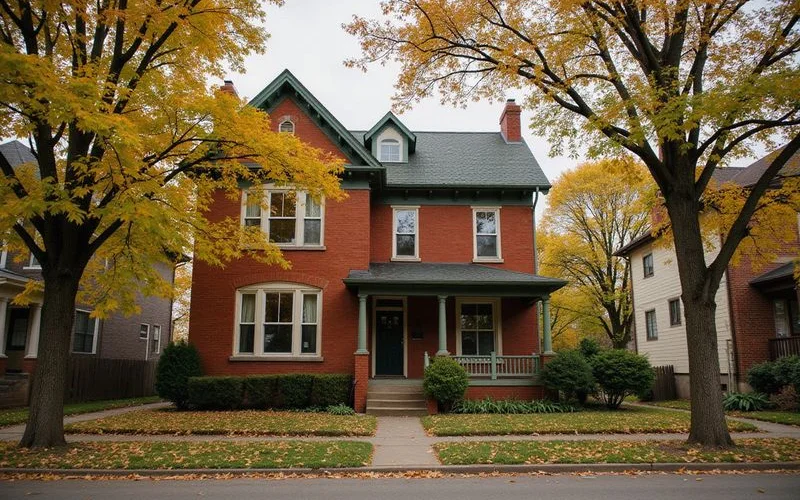
Minneapolis has the oldest housing stock in the state, and St. Paul has many pre-1940 homes with fieldstone foundations. That means TISH reports in both cities often note things like old wiring, galvanized plumbing, missing handrails, or basement water. None of this means the house can’t sell. It means someone has to deal with it.
How we handle TISH when we buy
When you sell to us, TISH is off your plate:
- We confirm the requirement for the address.
- We arrange and pay for the evaluation with a city-licensed evaluator.
- Repair items become our job as the buyer, handled the way the city requires.
- The written offer reflects it, so you see how it affects the numbers.
If you’re selling in Minneapolis or St. Paul, our city pages have more local detail. For a house with a long list of repairs, see sell as-is.
A TISH timeline for a traditional sale
In a typical listing in a city that requires TISH, the sequence often looks like this:
- Order the evaluation from a city-licensed evaluator before listing.
- Receive the report and make it available to buyers as the city requires.
- Decide on repairs: fix required items, or negotiate with the buyer.
- Close, with any required repairs completed or addressed under city rules.
If repairs are required, sellers sometimes need escrows, extensions, or re-inspections, which can add time.
Common TISH findings in older homes
These come up often in older Minneapolis and St. Paul houses:
| Area | Common finding |
|---|---|
| Electrical | Older wiring, overloaded circuits, missing covers |
| Plumbing | Galvanized pipes, venting issues, water heater problems |
| Heating | Venting, flue, or combustion air concerns |
| Safety | Missing smoke or carbon monoxide detectors, handrails |
| Structure | Foundation cracks, deteriorated porches or stairs |
| Exterior | Roof, gutters, deteriorated siding or windows |
A report full of items isn’t unusual for a century-old house. It’s information, not a verdict.
Before you order an evaluation
- Confirm with the city whether one is required for your property
- Ask how long the report is valid
- Ask what repairs are mandatory and on what timeline
- If you’re selling to us, let us order it instead
Related rules to know
TISH is separate from Minnesota’s statewide seller rules, like the radon disclosure and well disclosure statement, and from county septic inspections. Our guide to radon, well, and septic requirements covers those. As always, the city is the final word on its own program, and an attorney can help with any legal questions about repair obligations.
Minnesold's team includes a licensed Minnesota real estate agent. Information on this site is general and educational. It is not legal, tax, or Medical Assistance advice. Talk with a probate attorney, elder law attorney, or CPA about your situation.