What does “as-is” really mean in Minnesota?
Selling as-is means the buyer takes the house in its current condition. You don’t make repairs, clean, or stage. What it doesn’t mean is skipping the law. Minnesota sellers still owe certain disclosures, like the radon disclosure and the well disclosure statement. Read what “as-is” really means in a Minnesota home sale for the details.
When you sell as-is to a Minnesota cash home buyer like us, here’s what that looks like:
- No repairs. Not the roof, not the furnace, not the basement.
- No cleaning. Leave the dishes in the cupboards if you want.
- No showings. One walkthrough, in person or by video.
- Inspections we pay for. Any required TISH evaluation or septic compliance inspection.
Point-of-sale inspections: TISH and beyond
Minneapolis and St. Paul require a Truth-in-Sale of Housing (TISH) evaluation before most home sales. The evaluator reviews the home’s major systems and notes items that may need repair. Some other Minnesota cities run their own time-of-sale programs, and rules change, so we confirm the requirement for your specific address before closing.
On a sale to us, we arrange and pay for any required evaluation, and repair items become our job. Our city-by-city TISH guide explains what the report covers. For septic and wells, see radon, well, and septic rules for Minnesota sellers.
Types of as-is houses we buy
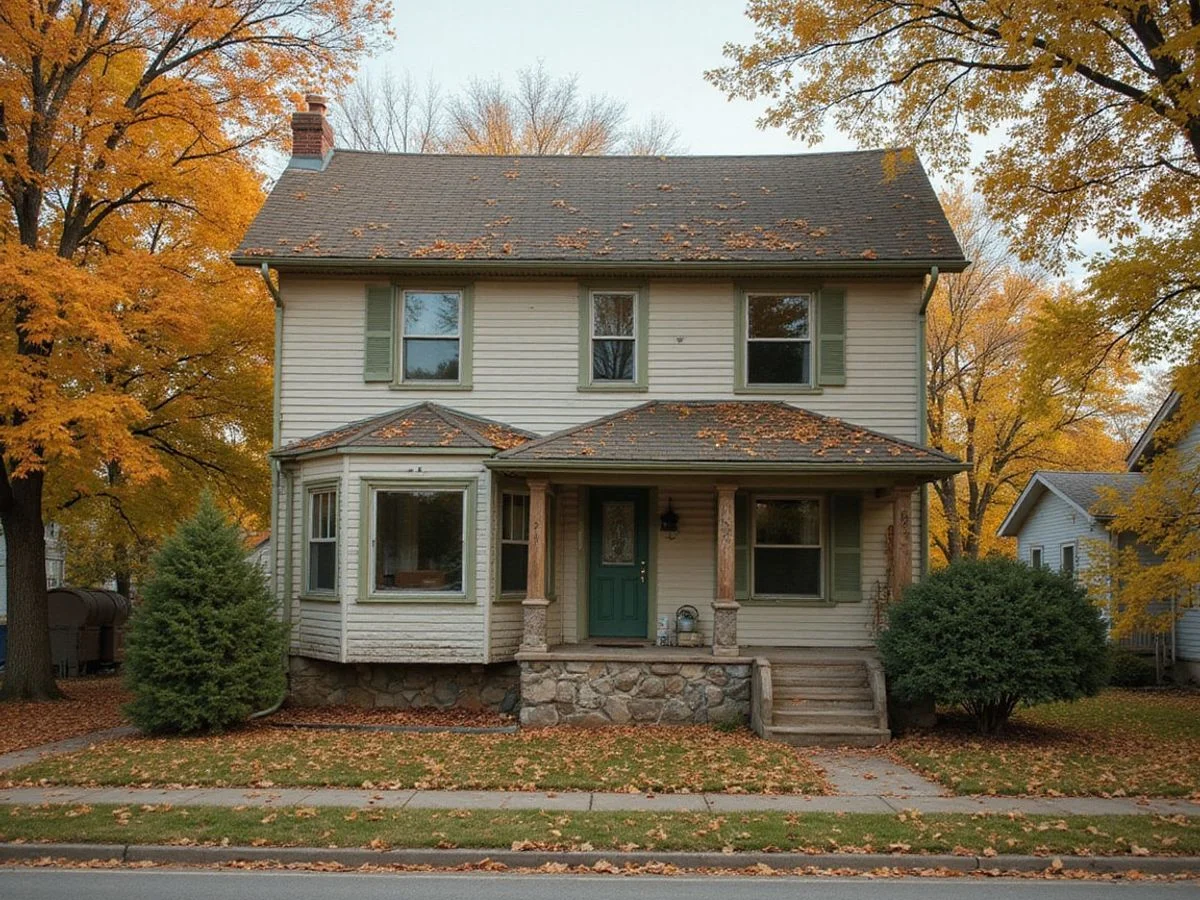
Older homes with original systems
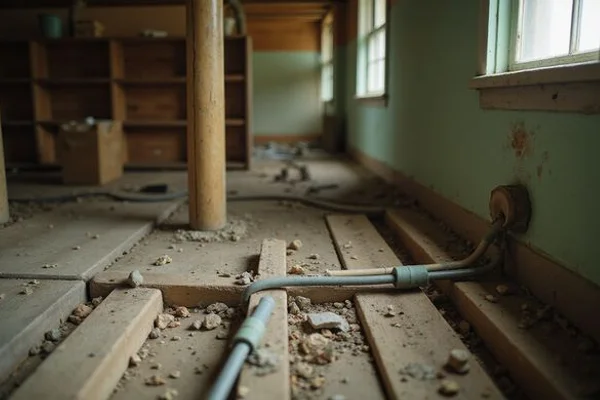
Minnesota has a lot of older housing. Early-1900s homes may still have knob-and-tube wiring, galvanized plumbing, and clay sewer lines that roots have found. Many have vermiculite in the attic, which may contain asbestos, and pre-1978 lead paint. See selling an older home with knob-and-tube, vermiculite, or lead paint.
Houses with water or foundation problems
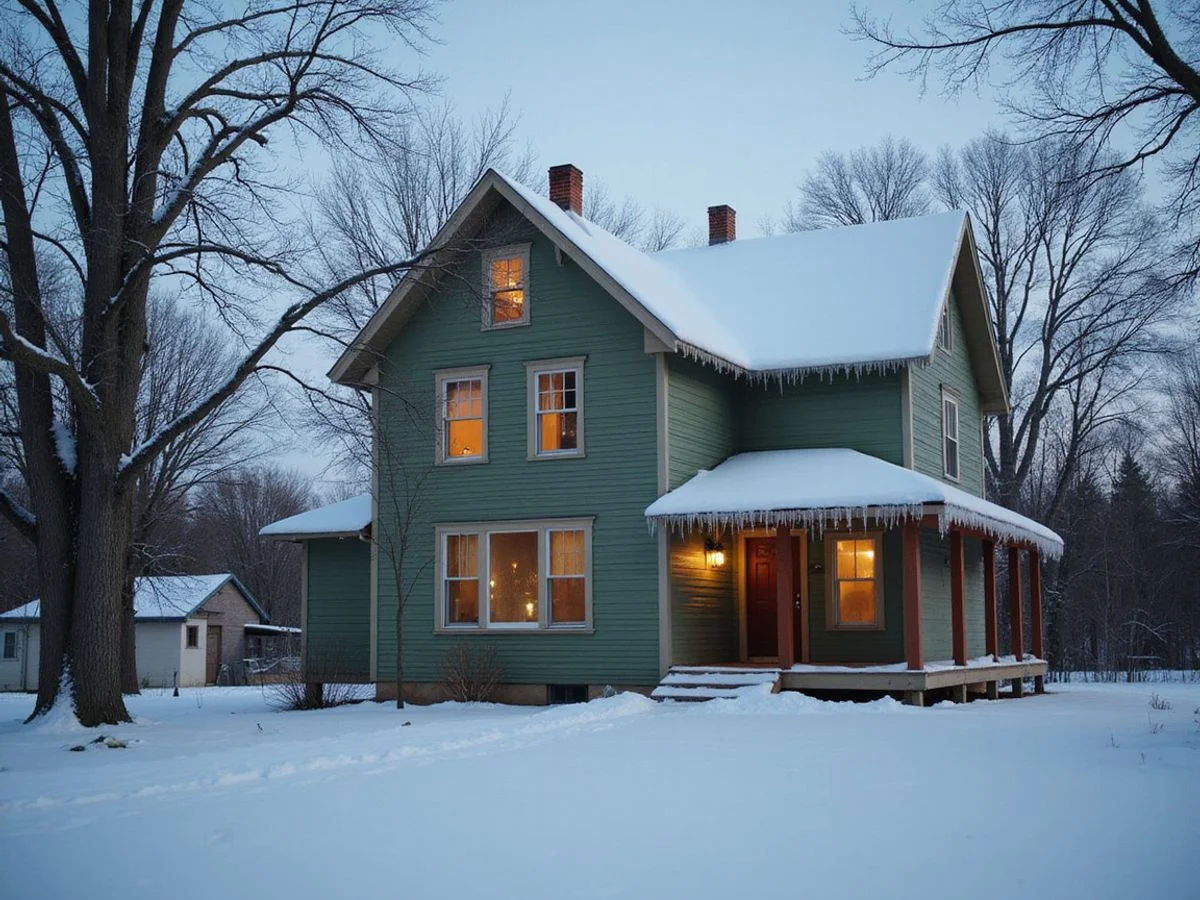
Wet basements, bowing fieldstone walls, and ice dam damage are common here. We have separate pages for foundation problems and winter and water damage.
Houses nobody has updated in decades
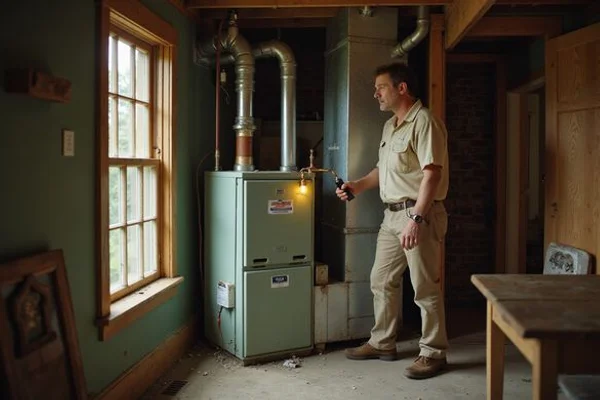
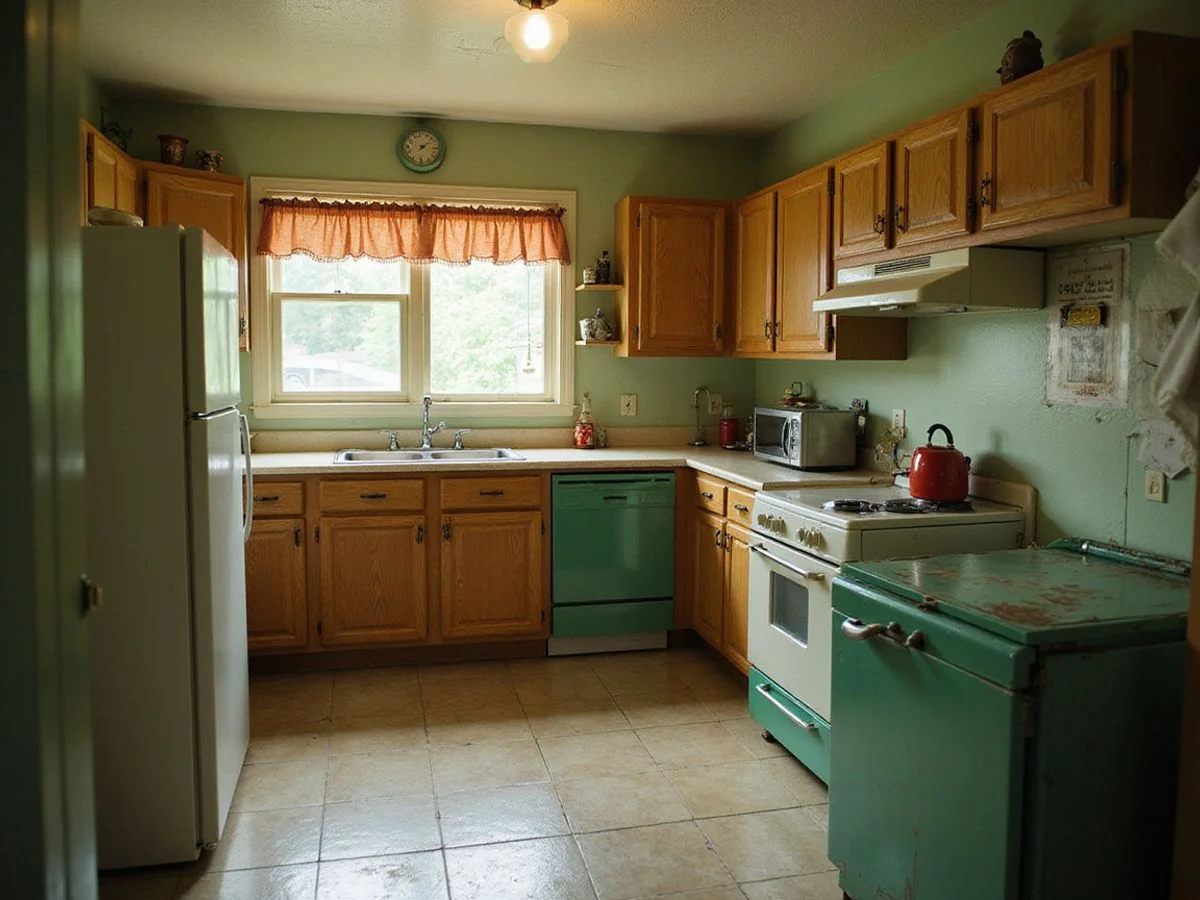
Original kitchens, shag carpet, and a 40-year-old furnace. Nothing wrong with the house, it’s just dated. Financed buyers will want updates; we won’t.
Houses full of belongings
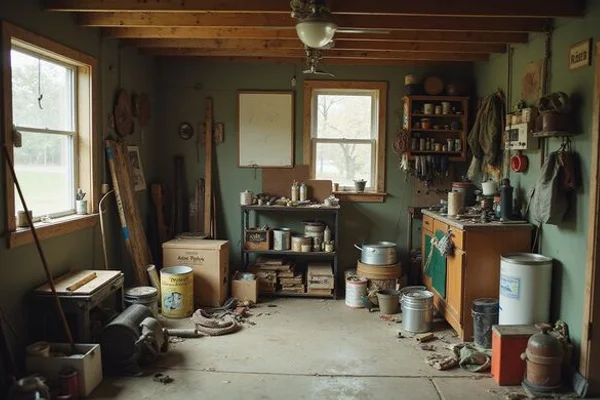
You don’t need to empty it. See house full of belongings.
Fix it up first, or sell as-is?
| Fix up, then list | Sell as-is to Minnesold | |
|---|---|---|
| Up-front cash | You fund repairs | None |
| Time | Weeks to months of work, then listing | Close on your date |
| Holding costs | Continue during repairs and listing | Stop at closing |
| TISH repair orders | Yours to handle | Ours |
| Sale price | Higher, if repairs pay off | Lower than retail, math shown |
Fixing up can win on a mostly updated house that needs small, cheap work. It often doesn’t on a dated house that needs big-ticket items. Run the numbers with our cash vs. listing calculator, or read fix up or sell as-is.
How condition shows up in your offer
We start with the after-repair value, meaning what the home would sell for once it’s fixed up. Then we subtract repair costs, holding costs, resale costs, and our profit. Condition affects one line: repairs. We list the big items on the written offer so you can see what’s driving the number. See how we calculate your cash offer.