
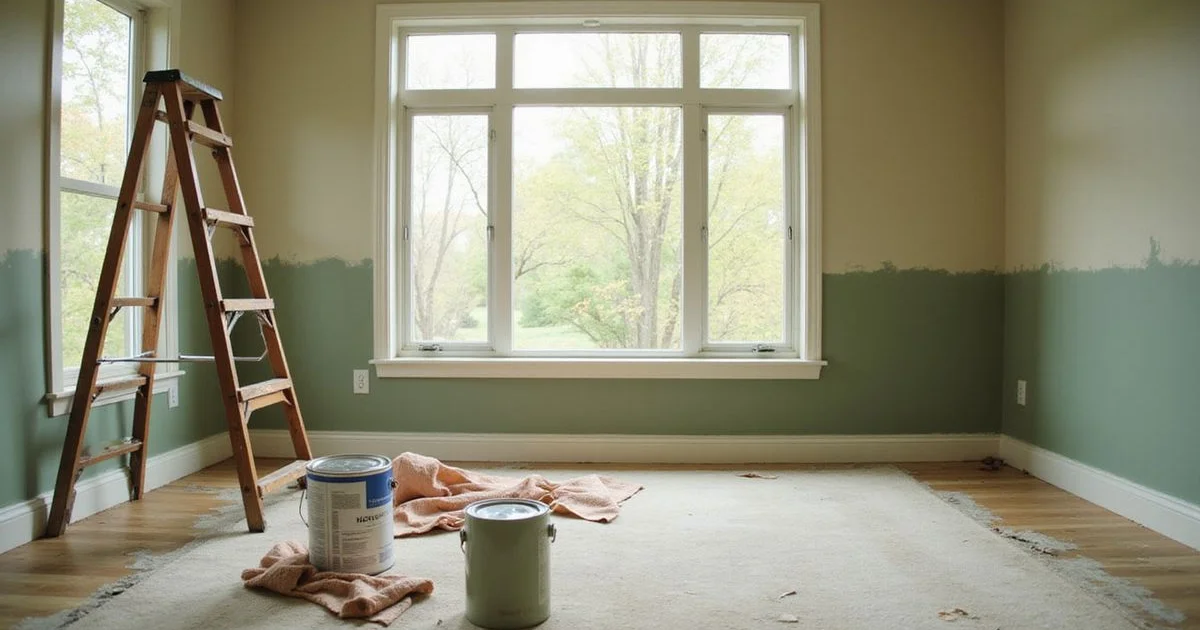
The question every owner of an older house asks
Should you fix the house up before selling, or sell it as-is? The honest answer depends on how much work the house needs, how much time and money you have, and how much the repairs will actually add to the price. This guide shows how to run the numbers, as part of our page on selling a house as-is.
What fixing up really costs
The repair bill is only part of it. Count:
- The repairs themselves, including surprises once walls are open
- Holding costs during the work: taxes, insurance, utilities, and any mortgage
- Your time, or the cost of someone managing contractors
- TISH repair orders in cities that require an evaluation
- Selling costs after the repairs: commission, closing costs, and months on market
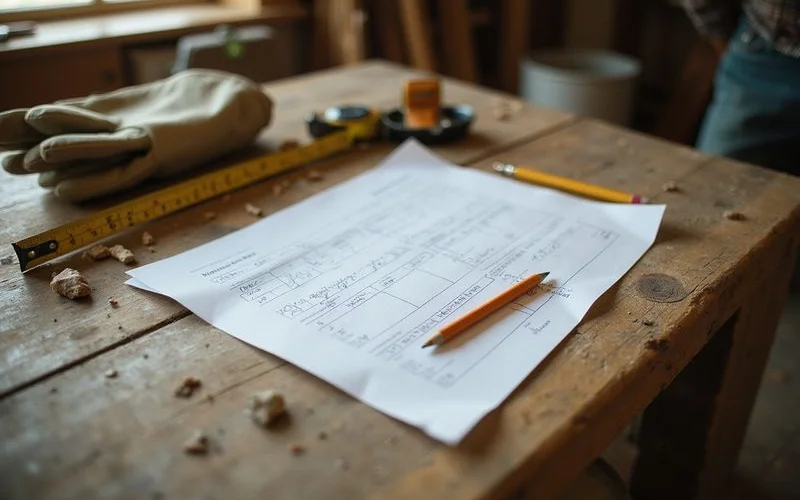
A simple way to compare
- Get a listing estimate for the house as-is and for the house after repairs.
- Price the repairs with real contractor bids.
- Estimate the months the repairs and listing will take, and multiply by your monthly carrying costs.
- Subtract everything from the after-repair listing price.
- Compare with the as-is listing estimate and a written cash offer.
Our cash vs. listing calculator helps with steps 3 through 5.
Where fixing up usually wins
| Situation | Why repairs often pay off |
|---|---|
| Mostly updated house | Small fixes make it move-in ready |
| Cosmetic issues only | Paint and cleaning are cheap relative to impact |
| Local help available | Someone can manage the work |
| No deadline | Time to do it right |
Where selling as-is usually wins
| Situation | Why as-is often makes sense |
|---|---|
| Big-ticket repairs | Roof, foundation, sewer line rarely pay back fully |
| Dated throughout | Updating one room doesn’t change the whole picture |
| Vacant or far away | Managing contractors remotely is hard |
| A deadline | Care costs, court dates, or lenders won’t wait |
| Old-house systems | Knob-and-tube, galvanized pipes, vermiculite |
How repairs show up in our offer
We start with the after-repair value and subtract repair costs, holding costs, resale costs, and our profit. The repair line is where condition shows up. See how we calculate your cash offer for an illustrative example.
An illustrative comparison
Here’s a simplified example with round numbers, for illustration only. A dated 1960s rambler would likely sell for $260,000 as-is on the open market, or $320,000 fully updated. The updates would cost about $45,000 and take three months, plus a few months on the market.
| Fix up, then list | List as-is | Cash sale | |
|---|---|---|---|
| Sale price | $320,000 | $260,000 | $225,000 |
| Repairs | -$45,000 | $0 | $0 |
| Carrying costs (example) | -$7,200 (6 months) | -$3,600 (3 months) | $0 |
| Commission (example 5%) | -$16,000 | -$13,000 | $0 |
| Seller closing costs | -$3,000 | -$3,000 | $0 (we pay) |
| Estimated net | $248,800 | $240,400 | $225,000 |
In this example, fixing up nets the most, if the repairs stay on budget and the house sells as planned. Listing as-is is close behind. The cash sale nets less but takes the least time, effort, and risk. Change the repair budget or the months on market, and the order can change. That’s exactly why it’s worth running your own numbers.
Hidden costs of fixing up
- Budget overruns. Older houses often reveal surprises once walls or floors are opened.
- Contractor scheduling. Good contractors are busy, especially in summer.
- Permits and inspections. Some work needs permits, which add time.
- Managing it all. If you live far away, someone has to oversee the work.
Repairs that often pay off
- Fresh paint in neutral colors
- Deep cleaning and decluttering
- Small fixes like leaky faucets, broken hardware, and burned-out bulbs
- Basic landscaping and curb appeal
Repairs that often don’t
- Full kitchen or bath remodels right before selling
- Major system replacements on a house that’s dated everywhere else
- Additions or layout changes
A middle path
Some sellers do a few inexpensive things, like removing trash or doing a deep clean, and then sell as-is. With us, even that isn’t necessary. If the house has older systems, see selling an older home with knob-and-tube, vermiculite, or lead paint.
Minnesold's team includes a licensed Minnesota real estate agent. Information on this site is general and educational. It is not legal, tax, or Medical Assistance advice. Talk with a probate attorney, elder law attorney, or CPA about your situation.