
Minnesota’s older homes and their older systems
Minnesota has a lot of older housing, especially in Minneapolis, St. Paul, and older suburbs and river towns. Older homes are often solid and full of character, but they come with systems that worry buyers, lenders, and insurers. This guide covers the most common ones and how they affect a sale, as part of our page on selling a house as-is. It’s general information; for safety or disclosure questions, talk to a licensed professional or attorney.
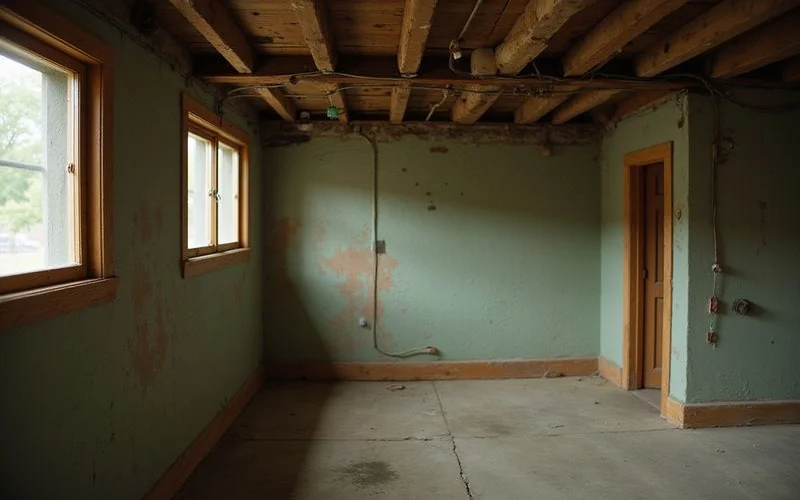
Knob-and-tube wiring
What it is: An early electrical system, common in homes built before about 1940, with wires run through ceramic knobs and tubes.
Why it matters: It usually has no ground, can be overloaded by modern use, and insulation can degrade. Many insurers and lenders ask about it, and some won’t cover or finance a house until it’s replaced.
On a sale to us: We price replacement into the offer. You don’t rewire anything.
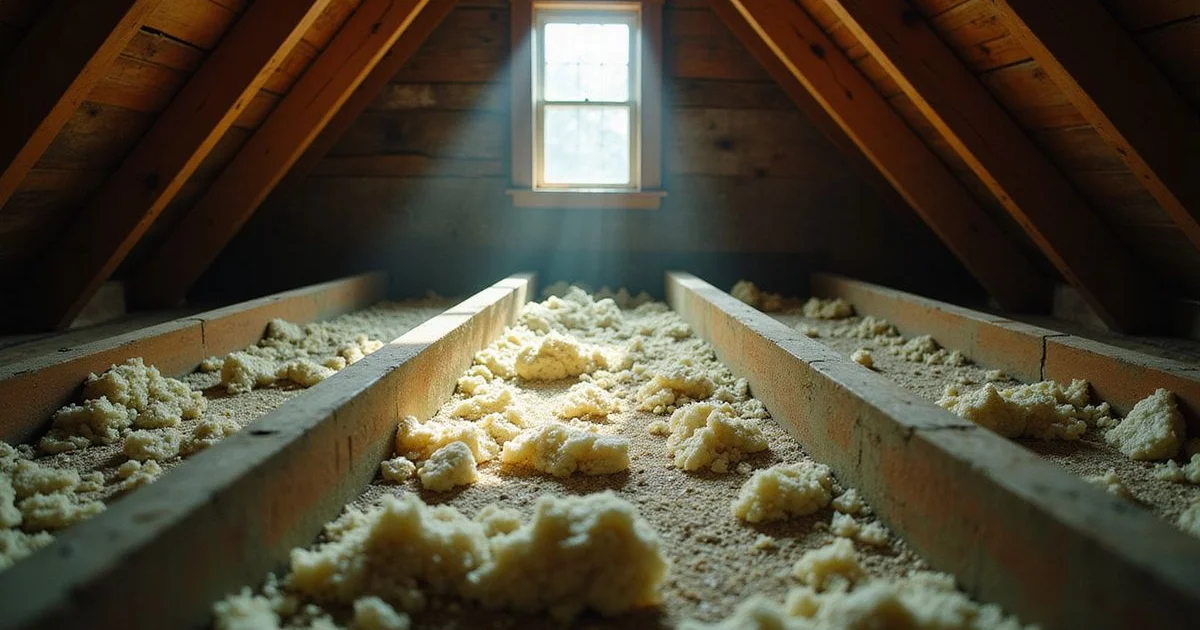
Vermiculite insulation
What it is: Loose, pebble-like attic insulation, often gray-brown. Some vermiculite contains asbestos.
Why it matters: Disturbing it can release fibers. Testing and professional removal can be expensive.
What to do: Don’t disturb it. Don’t store things in the attic or let anyone dig through it. When we buy, we account for it.
Lead-based paint
What it is: Paint in homes built before 1978 may contain lead.
Why it matters: It’s a hazard, especially for young children, when paint chips or turns to dust. Federal rules require specific lead disclosures for pre-1978 homes.
On a sale to us: The lead disclosure is still part of the sale. We’ll make sure the right form is included.
Galvanized plumbing
What it is: Steel supply pipes coated in zinc, common in older homes.
Why it matters: They corrode from the inside, reducing water pressure and eventually leaking.
Clay sewer lines
What it is: Older sewer pipes made of clay segments.
Why it matters: Tree roots find the joints. Blockages and collapses can mean expensive excavation.
Summary
| System | Common in | Main concern | On a sale to Minnesold |
|---|---|---|---|
| Knob-and-tube | Pre-1940 homes | Insurance and lender issues | Priced in |
| Vermiculite | Many older attics | May contain asbestos | Priced in; don’t disturb |
| Lead paint | Pre-1978 homes | Health hazard; disclosure rules | Disclosure still applies |
| Galvanized pipes | Older homes | Corrosion, leaks | Priced in |
| Clay sewer lines | Older neighborhoods | Roots, collapse | Priced in |
How to tell what your house has
You don’t need to open walls to get a sense of what’s there. Look for:
| System | Where to look | What you might see |
|---|---|---|
| Knob-and-tube wiring | Basement ceiling, attic | Ceramic knobs and tubes, cloth-covered wires |
| Old fuse panel | Basement or utility area | Screw-in fuses instead of breakers |
| Vermiculite | Attic floor | Loose, pebbly, gray-brown or gold-brown granules |
| Galvanized pipes | Basement, near water heater | Dull gray steel pipes with threaded joints |
| Clay sewer line | Hard to see | A camera inspection can show it |
| Lead paint | Older painted surfaces | Can’t tell by looking; testing needed |
A TISH evaluation in Minneapolis or St. Paul, or a home inspection elsewhere, often notes several of these.
Why buyers and insurers care
- Insurance: Some insurers ask about knob-and-tube wiring and fuse panels, and may decline coverage or charge more.
- Lenders: Lenders rely on appraisals and sometimes inspections, and safety issues can hold up a loan.
- Future costs: Buyers know rewiring, repiping, or sewer replacement can be expensive.
- Safety: Vermiculite and lead paint need careful handling during renovation.
That’s why these homes can be harder to sell to financed buyers, even when they’re charming and well kept.
If you plan to renovate before selling
Work involving asbestos-containing materials or lead paint has safety rules and often requires licensed contractors. Don’t start demolition in an older home without knowing what’s in the walls and attic. A contractor or environmental tester can help you plan.
If you plan to sell as-is
You don’t need to test or replace anything to sell to us. We look at the house, note the systems we see, and price the likely work into the offer. Disclosure rules still apply, including the federal lead disclosure for pre-1978 homes, and we’ll walk you through the forms.
Repair first or sell as-is?
Replacing these systems can be expensive, and some work, like asbestos abatement, needs licensed contractors. For many owners, especially heirs, selling as-is makes more sense. See fix up or sell as-is to run the numbers.
Minnesold's team includes a licensed Minnesota real estate agent. Information on this site is general and educational. It is not legal, tax, or Medical Assistance advice. Talk with a probate attorney, elder law attorney, or CPA about your situation.