

As-is means no repairs, not no disclosures
“As-is” is one of the most misunderstood phrases in real estate. Sellers often think it means they don’t have to tell the buyer anything. That’s not how it works in Minnesota. Selling as-is generally means the buyer accepts the home in its current condition, and you don’t make repairs. You still owe the disclosures the law requires. This guide explains the difference, as part of our page on selling a house as-is. It’s general information, not legal advice.
What as-is does cover
When you sell as-is:
- No repairs. You don’t fix the roof, furnace, foundation, or anything else.
- No cleaning or staging.
- No repair requests after the buyer’s inspection, if the agreement says so.
- Condition is priced in. The buyer’s price reflects the house as it stands.
What as-is doesn’t change
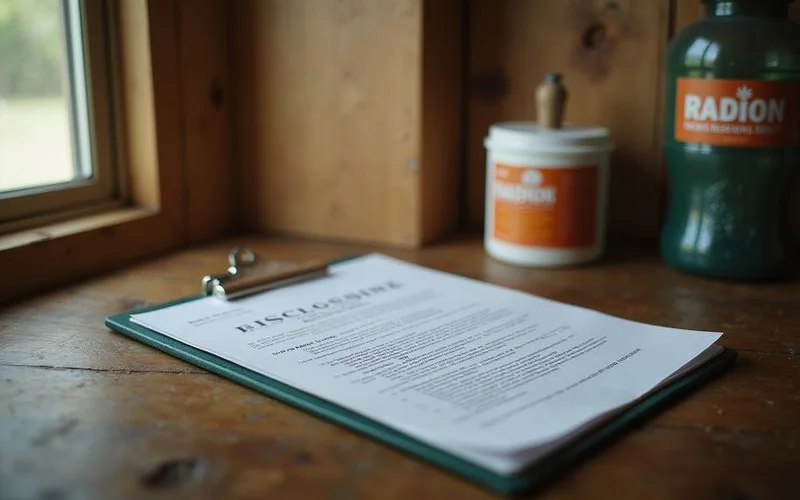
- Required disclosures. Minnesota requires sellers to give buyers certain disclosures, like the radon disclosure and, when there’s a well, a well disclosure statement.
- Honesty about known problems. In general, sellers shouldn’t hide known material problems. How and what to disclose is a question for an attorney.
- City and county rules. Point-of-sale requirements, like a TISH evaluation in Minneapolis and St. Paul, or a septic inspection where a county requires it, still apply.
Repairs vs. disclosures, side by side
| As-is sale | Standard sale | |
|---|---|---|
| Seller makes repairs | No | Often, after negotiation |
| Radon disclosure | Yes | Yes |
| Well disclosure (if a well) | Yes | Yes |
| Known problems disclosed | Generally yes | Generally yes |
| TISH or septic rules | Still apply | Still apply |
Inspections in an as-is sale
Most buyers still look closely. A financed buyer usually hires a home inspector, and their lender’s appraiser may flag problems. With us, it’s a walkthrough, in person or by video, and we price what we see into the written offer. If you already have an inspection report, share it and we’ll use it.
TISH and septic in an as-is sale
When we buy, we arrange and pay for any required TISH evaluation or septic compliance inspection, and repair items become our responsibility. For the details, see radon, well, and septic requirements and our TISH guide.
Common myths about as-is sales
| Myth | Reality |
|---|---|
| “As-is means I don’t have to disclose anything.” | Required disclosures still apply. |
| “As-is means the buyer can’t inspect.” | Most buyers still look closely, and financed buyers usually inspect. |
| “As-is means I’ll get a terrible price.” | The price reflects condition. The question is whether repairs would pay off. |
| “As-is means TISH doesn’t apply.” | City point-of-sale rules still apply; who handles repairs is negotiable. |
| “As-is means the buyer can’t back out.” | That depends on the purchase agreement’s terms. |
As-is in a listing vs. a cash sale
You can list a house as-is, too. The difference is who the buyers are:
- Listing as-is: Financed buyers may still need lender-required repairs, and inspection results can lead to renegotiation even if the listing says “as-is.”
- Cash sale as-is: No lender, so no lender-required repairs. With us, the walkthrough happens before the written offer, so we don’t renegotiate over things we saw.
Still deciding whether repairs would pay off? Our guide on whether to fix up or sell as-is runs the numbers.
Estates and as-is
As-is sales are especially common for inherited homes, because the heirs often don’t know the house’s full history. A few tips:
- Disclose what you know, and say plainly what you don’t know
- Gather any records you can find, like repair receipts or inspection reports
- Don’t guess about things you’re unsure of; ask the attorney how to handle them
- Remember that the personal representative signs disclosures for the estate
What to have ready
- The radon disclosure form
- The well disclosure statement, if there’s a well
- Lead-based paint disclosure for homes built before 1978
- Any TISH or septic inspection results
- Records of known problems or past repairs
When you’re not sure what to disclose
Estate sellers often don’t know a house’s history. That’s normal. Disclose what you know, say what you don’t, and ask an attorney about anything that feels unclear. We’ll walk you through the forms, but we can’t give legal advice about what to say.
Minnesold's team includes a licensed Minnesota real estate agent. Information on this site is general and educational. It is not legal, tax, or Medical Assistance advice. Talk with a probate attorney, elder law attorney, or CPA about your situation.