
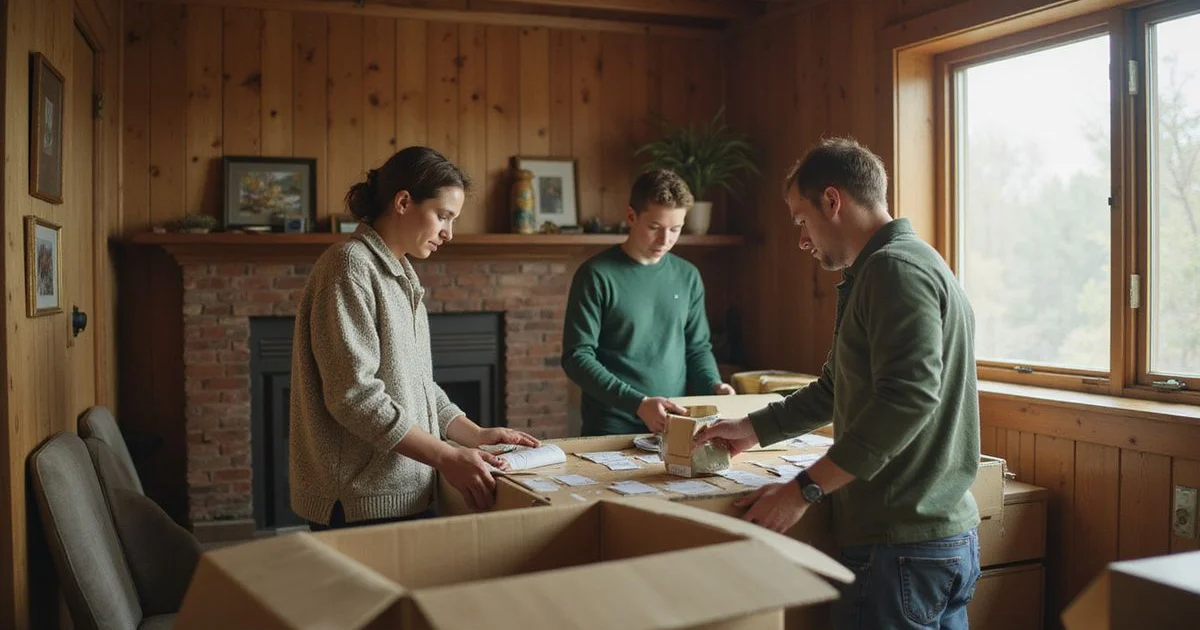
A practical way to sort a family home
Walking into a parent’s house full of decades of belongings can stop anyone in their tracks. Where do you even start? The families who get through it well usually follow a simple method: find what’s important, let each person take what matters, donate what’s useful, and leave the rest. This guide lays it out, as part of our page on a house full of belongings.
Step 1: Documents and valuables first
Before anything else leaves the house, look for:
- Legal documents: wills, trusts, deeds, the abstract of title, powers of attorney
- Financial records: bank and investment statements, insurance policies, tax returns, savings bonds
- Valuables: jewelry, cash, coins, collectibles
- Keys and passwords
People hide things. Check pockets, books, freezer bags, the backs of drawers, and under drawer liners.
Step 2: Photos and letters
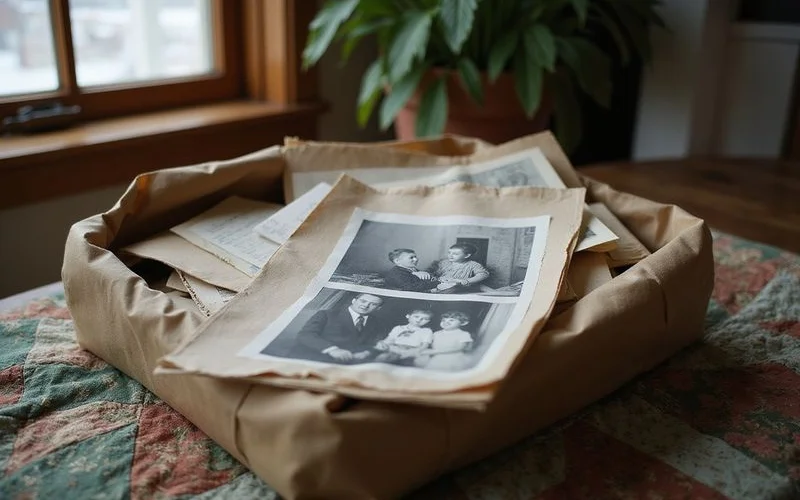
Photos, letters, and family papers matter most to most families and are easiest to lose in a cleanout. Gather them into a few boxes to go through later, somewhere comfortable.
Step 3: Keepsakes by family member
A method that keeps the peace:
- Each person makes a short wish list.
- Take turns choosing, one item per round.
- Label boxes by name.
- Set a deadline for picking things up or shipping them.
If siblings disagree, see when siblings disagree about an inherited house.
Step 4: Decide what’s worth selling
Some things are worth money: quality furniture, tools, collectibles, vehicles. An estate sale company can help. Our guide on estate sale first or sell with contents helps you decide.
Step 5: Donate what’s useful
Usable furniture and household goods can help other families. When we handle a cleanout, donation comes first, then recycling, then hauling.
Step 6: Leave the rest
Here’s the part most families don’t realize: you don’t have to empty the house to sell it. When you sell to us, whatever you leave is our job.
A sorting plan at a glance
| Category | What to do | Who |
|---|---|---|
| Documents | Find and secure first | Personal representative or family |
| Valuables | Inventory and secure | Family |
| Photos and letters | Box for later | Family |
| Keepsakes | Take turns choosing | Each family member |
| Sellable items | Estate sale or sell | Family or estate sale company |
| Useful household goods | Donate | Us, after closing |
| Everything else | Leave | Us, after closing |
A sample sorting weekend
If your family can get together for a weekend, here’s one way to use the time well:
Friday evening
- Walk the house together and agree on the plan
- Set up labeled boxes: documents, photos, one box per family member, donate, and “ask later”
Saturday morning
- Documents and valuables room by room, starting with the desk and bedroom
- One person keeps a written list of what’s found and where it goes
Saturday afternoon
- Photos and letters into boxes to go through later
- Each person makes a short wish list of keepsakes
Sunday
- Take turns choosing keepsakes, one item per round
- Pack and label what’s going home with each person
- Leave everything else
Most families don’t finish in one weekend, and that’s okay. The goal is to find what matters, not to empty the house.
When family members can’t all be there
- Video walkthroughs: Someone walks each room on a call so others can point out what they want.
- Photo lists: Take pictures of furniture and meaningful items, and let people choose from home.
- Shipping: Small items can be boxed and shipped. Large furniture usually costs more to ship than it’s worth, unless it’s truly special.
Handling disagreements over belongings
It’s common for two people to want the same thing. A few approaches families use:
- Take turns choosing, with a coin flip for who goes first
- Let the person who gave the item, or who has the strongest memory, have priority
- Photograph items so everyone has a memory, even if one person takes the object
- Ask the personal representative to decide, following the will if it addresses personal property
A note on the will
Some wills say who gets specific items, or refer to a separate list. Check before distributing anything, and ask the attorney if you’re not sure.
Hazardous items
Old paint, chemicals, propane tanks, medications, and firearms need special handling. Set them aside and ask us how to handle them.
Minnesold's team includes a licensed Minnesota real estate agent. Information on this site is general and educational. It is not legal, tax, or Medical Assistance advice. Talk with a probate attorney, elder law attorney, or CPA about your situation.