
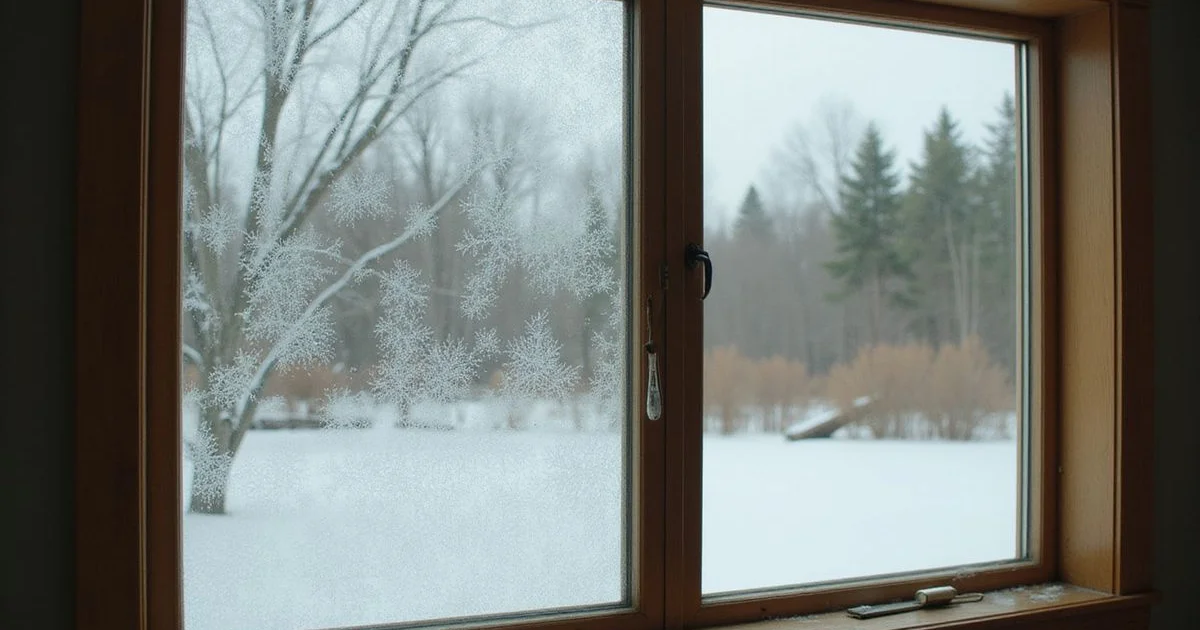
If you just found burst pipes in an empty house
It’s one of the worst calls an heir can get: a neighbor noticed water coming out from under the door, or you walked in to find the ceiling on the floor. First, take a breath. The damage is done, and now it’s about limiting it and making good decisions. This guide covers what to do, in order. It’s part of our page on winter and water damage. It’s general information; follow the advice of your plumber and insurer.
Right now: stop the water
- Shut off the main water valve. It’s usually in the basement where the water line comes in. If you can’t find it or it won’t turn, call a plumber or the city water utility.
- Turn off electricity to wet areas if it’s safe to reach the panel. If there’s standing water near electrical, stay out and call a professional.
- Don’t go in if ceilings are sagging or floors look unsafe.
Today: make the calls
- A plumber to find and fix the break and check the rest of the system
- Your insurance company to report the claim
- A water mitigation company to dry the house and limit mold
Document everything
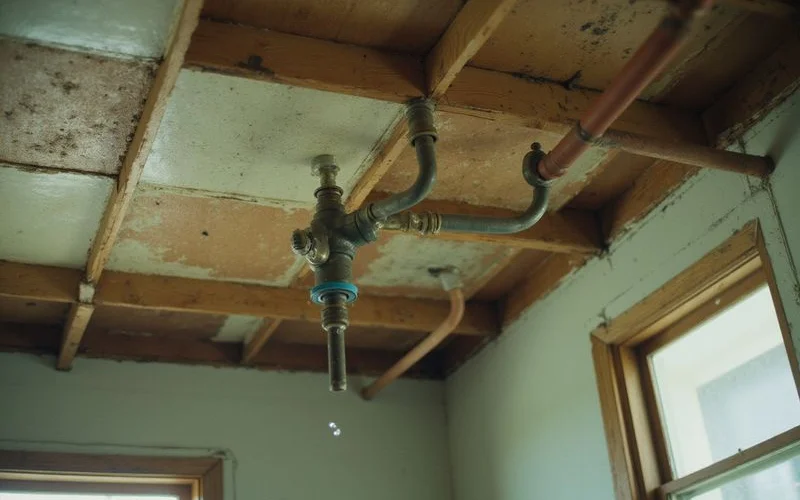
Take photos and video of every affected room, ceiling, floor, and the broken pipe if you can see it, before anything is moved or removed. Keep receipts for emergency work.
Insurance questions to ask
| Question | Why it matters |
|---|---|
| Is the policy still active and in whose name? | Estates often lapse or change |
| Is there a vacancy clause? | Coverage may be limited after a period of vacancy |
| Was heat required to be maintained? | Some policies require it |
| Do I need a public adjuster? | Helpful for large claims |
Then: decide what to do with the house
Once the water is off and the house is drying, you have a real decision to make:
- Repair and keep or list. Makes sense if insurance covers most of it and someone can manage contractors.
- Sell as-is. Makes sense if the family is far away, the estate doesn’t want to fund repairs, or the house was going to be sold anyway.
When we buy, we price the repairs into a written offer with the math shown. We can work around an open insurance claim.
Which pipes freeze first
In Minnesota houses, frozen pipes tend to show up in the same places:
- Exterior walls, especially kitchen and bathroom sinks against outside walls
- Crawl spaces and unheated porches or additions
- Garages, including laundry setups in attached garages
- Outdoor spigots that weren’t shut off and drained in fall
- The water service line where it enters the house, in deep cold
In an empty house, a failed furnace means all of these can freeze at once. The break often happens during the freeze, but the water doesn’t flow until the pipe thaws, which is why damage is sometimes found days later.
How to spot damage you can’t see
After a burst, water travels. Check for:
| Where to look | What to look for |
|---|---|
| Ceilings below bathrooms and kitchens | Stains, sagging, peeling paint |
| Hardwood floors | Cupping, buckling, gaps |
| Basement ceiling and walls | Drips, wet insulation, stains |
| Behind cabinets | Swollen particleboard, mold |
| Electrical outlets near wet areas | Don’t touch; have them checked |
A water mitigation company can use moisture meters to find wet areas behind walls and under floors. If most of the water ended up downstairs, our guide on a wet basement or failed sump pump covers whether to repair, disclose, or sell.
Mold: why speed matters
Mold can start growing within a day or two when materials stay wet. That’s why drying the house quickly matters, even if you plan to sell. Removing wet carpet, running dehumidifiers, and opening wet walls where needed limits the damage. If you do sell as-is, you don’t need to finish remediation first, but stopping the water and drying the house protects everyone.
Estate houses and insurance timing
If the owner died and the policy was in their name, contact the insurer right away to confirm who can file a claim and whether coverage continued. Some policies have conditions for vacant homes, like keeping heat on or having regular checks. Having the personal representative or the family call the agent early prevents surprises.
Keeping the house protected until it sells
- Set the thermostat per your plumber’s advice and consider a low-temperature alert
- Have the water shut off and lines drained if the plumber recommends it
- Arrange regular checks, more often in cold snaps
- Keep the walks shoveled so the house doesn’t look abandoned
Preventing the next one
If the house will sit through more cold weather, keep the heat on, ask a plumber about shutting off and draining the water, and have someone check the house regularly. See first steps after inheriting a house for the full vacant-house checklist.
Minnesold's team includes a licensed Minnesota real estate agent. Information on this site is general and educational. It is not legal, tax, or Medical Assistance advice. Talk with a probate attorney, elder law attorney, or CPA about your situation.