
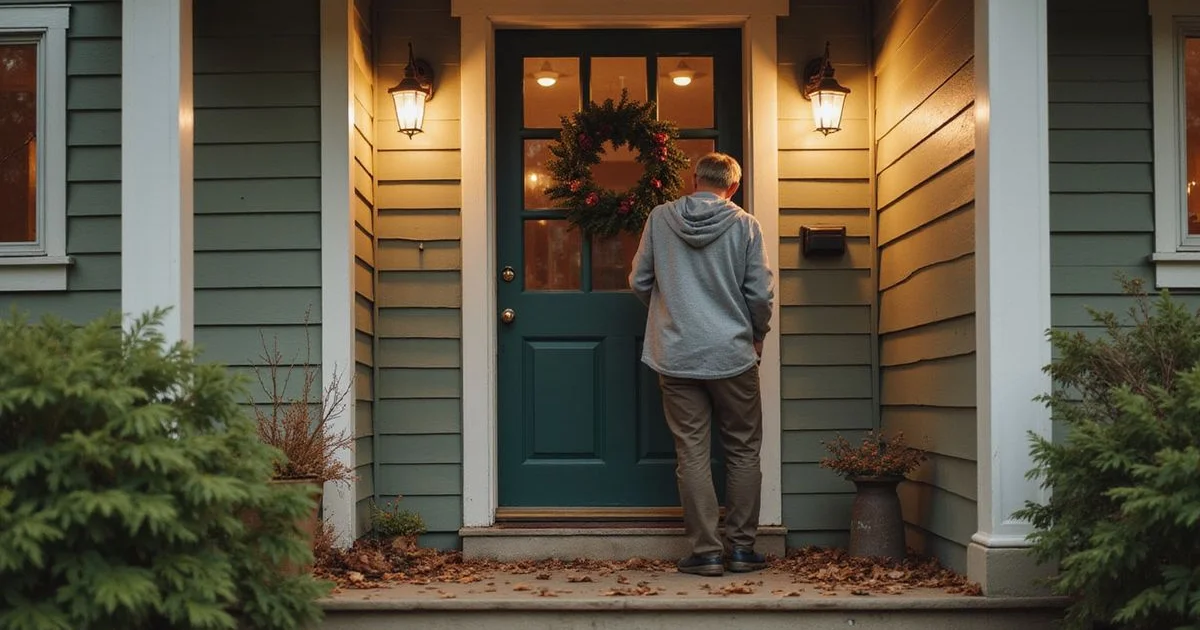
The first 30 days after inheriting a house
When a parent dies, the house is rarely the first thing on anyone’s mind. But it quickly becomes one of the most urgent, because an empty house keeps costing money and can’t look after itself. This checklist covers what to do first, in roughly the order it matters. It’s general information from our work with inherited houses, not legal advice. A probate attorney should be one of your first calls.
Week one: secure the house
- Lock up and change the locks if keys have been handed out over the years.
- Collect the mail, or forward it. Bills, tax notices, and account statements will keep arriving.
- Take photos of each room. It helps with insurance and with family decisions later.
- Remove obvious valuables like jewelry, cash, and important papers to a safe place, and write down what you took.
- Tell a trusted neighbor the house is empty and who to call.
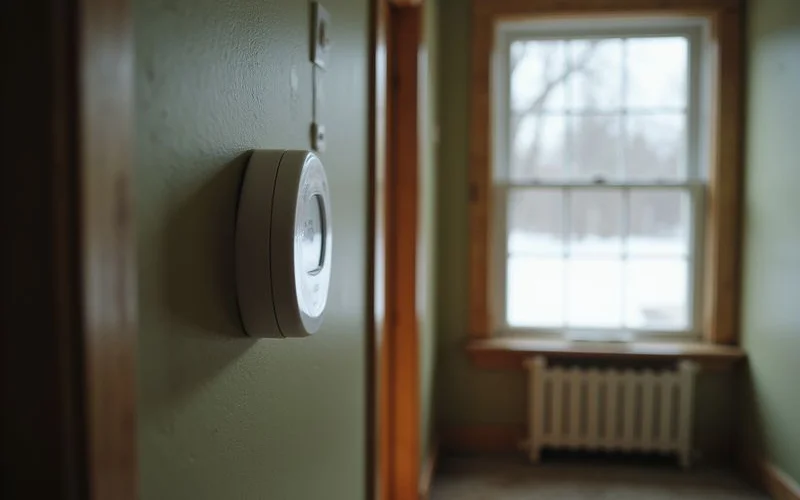
Keep the heat on and the utilities running
An empty Minnesota house in winter is a frozen pipe waiting to happen. Keep the heat on, and ask a plumber or HVAC company what setting makes sense for that house. Some families have a plumber shut off and drain the water for winter. Don’t cancel utilities. Transfer them into the estate’s name instead.
If the house will sit through the cold months, read frozen pipes in a vacant estate house now, not after something goes wrong.
Call the insurance company
This step catches many families off guard. Homeowners policies often change or limit coverage once a house is vacant for a period of time. Call the agent, explain that the owner died and the house is empty, and ask:
- Is the policy still in force, and who is the named insured now?
- Is there a vacancy clause, and when does it kick in?
- Do we need a vacant home policy?
Find the key documents
Look for these in desks, file cabinets, safes, and closets:
| Document | Why it matters |
|---|---|
| The will | Names the personal representative and heirs |
| The deed | Shows how title is held, and whether there’s a Transfer on Death Deed |
| The abstract of title | Needed for many abstract-property sales; often lost |
| Mortgage and HELOC statements | For the payoff |
| Property tax statements | Taxes keep coming due |
| Insurance policy | Coverage and contact info |
| Medical Assistance paperwork | May matter for estate recovery |

Talk to a probate attorney
The attorney will help answer the big questions: Does the estate need probate, or did the house pass by a Transfer on Death Deed? Who can sign for the estate? What’s the timeline? Our guide on selling a house during probate explains the general steps, and probate vs. TODD helps you tell which path applies.
Keep paying what needs paying
An existing mortgage stays payable after the owner dies. So do property taxes, insurance, and utilities. These are usually paid from estate funds. Keep receipts. If money is tight, ask the attorney how to handle it.
Don’t rush the belongings
It’s natural to want to start clearing things out. But check with the attorney before distributing property, and don’t feel you have to empty the house to sell it. Take the documents, photos, and keepsakes that matter. Everything else can wait, or be left for the buyer. When we buy, we handle and pay for the cleanout.
A simple 30-day plan
| When | What to do |
|---|---|
| Days 1-3 | Lock up, collect mail, remove valuables, notify a neighbor |
| Days 3-7 | Call the insurance agent; transfer utilities; keep the heat on |
| Week 2 | Find the will, deed, abstract, and financial papers |
| Week 2-3 | Meet with a probate attorney |
| Week 3-4 | Decide who checks the house and how often |
| Day 30 | Talk as a family about keeping, renting, listing, or selling as-is |
Nothing on this list requires you to decide about the house right away. It’s about protecting the house and the estate while you figure it out.
Who to notify
- The mortgage lender, if there’s a loan
- The insurance agent
- Utility companies, to transfer accounts
- The county, about property tax statements and homestead status
- The post office, to forward mail
- Neighbors, so they know who to call
Mistakes to avoid
- Canceling the insurance or utilities. An empty, unheated, uninsured house is a big risk.
- Giving away belongings before talking to the attorney. The will or the law may say who gets what.
- Letting the mail pile up. Tax notices and account statements matter.
- Assuming the proceeds are yours. Debts, claims, and Medical Assistance recovery may come first.
Decide what to do with the house
Once the dust settles, the family usually chooses between keeping the house, renting it, listing it, or selling it as-is. There’s no wrong answer. If you want to talk through the options, including what a written offer would look like, contact us. We work with the estate’s attorney and the title company, and we never promise probate closings in days.
Minnesold's team includes a licensed Minnesota real estate agent. Information on this site is general and educational. It is not legal, tax, or Medical Assistance advice. Talk with a probate attorney, elder law attorney, or CPA about your situation.