
Before the First Hard Freeze: Protecting a Vacant Estate House This Minnesota Winter (2026-27)
Heading into the 2026-27 Minnesota winter with an empty inherited house or a parent's home after a care move? Steps to take before the first hard freeze.
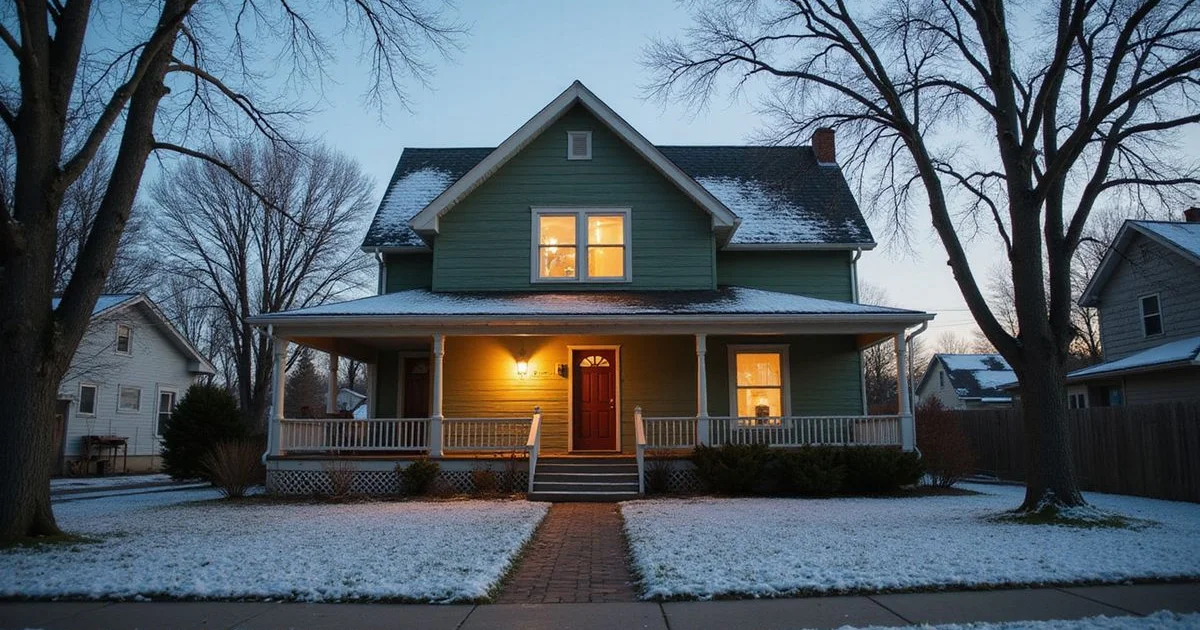
Every fall, we get the same kind of call. A parent passed away in the spring, or moved into assisted living over the summer, and now the house sits empty. The family lives in another state, or across the metro with jobs and kids. Then someone checks the forecast and realizes Minnesota’s first hard freeze is coming, and nobody has a plan for the house.
If that’s you heading into the 2026-27 winter, this post is for you. It’s a practical list of what to do before the cold settles in, roughly late October onward in most of the state, plus what your options are if you’d rather not carry the house through another winter. We’re a cash home buyer, so we’ll get to selling at the end. But most of this list applies whether you sell to us, list the house, or keep it.
Why an empty house is at higher risk once the cold arrives
A lived-in house gets noticed. Somebody hears the furnace kick on, sees the drip under the sink, or feels a cold draft. An empty house doesn’t have anyone noticing. If the furnace quits during a cold snap, or the power goes out for a day, the pipes can freeze and burst before anyone knows. The water keeps running until someone walks in.
That’s why frozen and burst pipes are one of the most common problems we see in Minnesota estate homes. The damage tends to be bigger than in an occupied house simply because it runs longer: soaked ceilings, buckled floors, wet drywall, and mold if it sits.
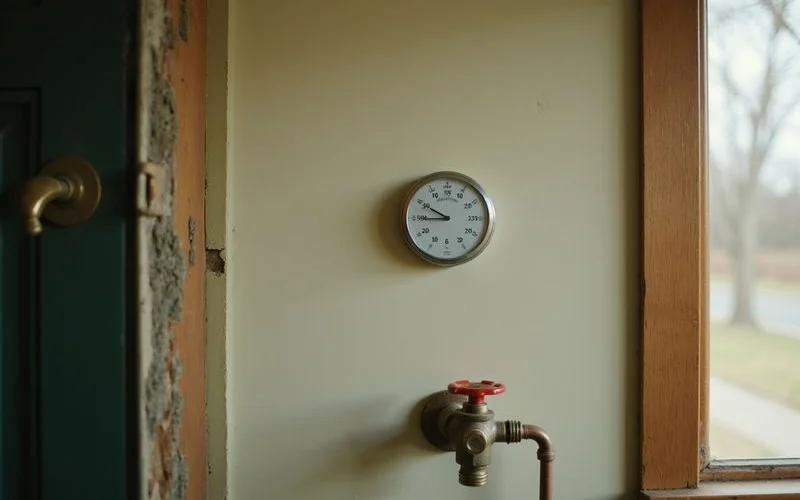
Before the first hard freeze: a short checklist
None of this replaces advice from a licensed plumber, an HVAC technician, or your insurance agent. Think of it as the list of calls to make.
1. Keep the heat on, and have the furnace checked
Keep the heat on through the winter. Ask your HVAC company or plumber what setting makes sense for that particular house, since older homes with pipes on exterior walls may need more margin. A fall furnace check is worth it. A furnace that’s been sitting since spring is exactly the one that fails in January.
2. Know where the main water shutoff is, and consider using it
Find the main shutoff, usually in the basement near where the water line enters. Many families have a plumber shut off the water and drain the lines for the winter. That’s often called winterizing. Ask the plumber whether it makes sense for your house, and whether the heating system needs water to run. Some older boiler systems do.
3. Set up regular checks
Someone should walk through the house on a regular schedule, and more often during cold snaps. A neighbor, a friend, or a paid house-checker can work. They’re looking for a cold house, water on the floor, stained ceilings, and signs of break-ins. A smart thermostat or low-temperature alert can help too, if the internet and power are on.
4. Make a snow plan
A house with an unshoveled walk and a snow-drifted driveway looks empty. Arrange snow removal, and ask the city about sidewalk rules. Also clear the dryer vent and furnace exhaust if they’re low to the ground.
5. Check the insurance policy’s vacancy terms
This one catches a lot of families off guard. Many homeowners policies have a vacancy clause that limits or changes coverage once a house has been empty for a certain period. Call the insurance agent, tell them the house is vacant, and ask what the policy covers and whether you need a vacant-home policy. Don’t assume.
If you find water in the house
Shut off the main water valve first. Then call a plumber and the insurance company. Take photos and video of the damage before anything gets moved. After that, you can decide whether to repair or sell the house as-is.
Ice dams on older roofs
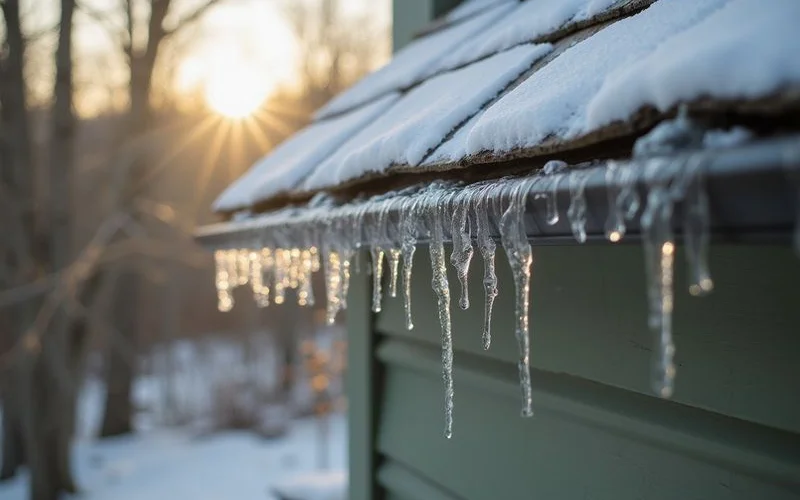
Ice dams form when heat escapes into the attic, melts snow on the roof, and the water refreezes at the colder eaves. The ice builds up, and melting snow behind it can back up under the shingles and into ceilings and walls. Older Minnesota homes with limited attic insulation and air sealing are especially prone to them.
In an empty house, the signs are easy to miss: brown stains on upstairs ceilings, peeling paint near the tops of exterior walls, or thick icicles along the gutters. If you see big icicles or a ridge of ice at the roof edge, have a roofer or ice dam removal company take a look. Don’t send a family member up on a snowy roof.
What it costs to carry an empty house through winter
Here’s the list most families add up once they sit down with the bills. Your numbers will be different, so use real statements.
| Cost | Why it matters in winter |
|---|---|
| Heat and electricity | The heat has to stay on, and winter utility bills run higher |
| Insurance | A vacant-home policy may cost more than a standard one |
| Property taxes | They keep coming whether or not anyone lives there |
| Snow removal and checks | Someone has to clear the walks and walk the house |
| Mortgage, if there is one | It stays payable after an owner dies |
| Repairs after a freeze | The big unknown if something fails |
Our vacant house carrying cost calculator can add these up for your house, month by month.
If you won’t keep the house this winter
Some families decide to hold the house until spring and list it. That’s a reasonable choice, especially if the house is in good shape and someone local can manage it. Our team includes a licensed Minnesota real estate agent, and we’ll tell you honestly if listing is the better path for your family.
Other families would rather not carry the risk and cost of another winter. If that’s you, selling the house as-is to a Minnesota cash home buyer is an option. We buy houses in any condition, including ones that already have ice dam or burst-pipe damage. You take what you want from the house, and we handle the cleanout. You get a preliminary range within 24 hours and a written offer with the math shown after the walkthrough, which can happen in person or by video. When title is clear, we can often close in about two weeks, but estate sales that are still in probate follow the court and attorney timeline, and we don’t promise those in days.
If you’re settling an estate, our guide to the first steps after inheriting a house in Minnesota covers the first 30 days. If the pipes have already frozen, read frozen pipes in a vacant estate house: what to do now. And if the house belongs to a parent who recently moved into care, see selling a parent’s house for care. For an inherited home, start with selling an inherited house.
Not planning to keep the house through winter? See how we buy homes with winter and water damage, or get a written cash offer.
Minnesota Home Buyer Team
Minnesold is a small Minnesota team based in the Twin Cities that buys homes statewide from families going through a life change. Our team includes a licensed Minnesota real estate agent, a client services lead, and an operations lead.
Team includes a licensed Minnesota real estate agent
- winter
- vacant house
- inherited house
- frozen pipes
- ice dams