
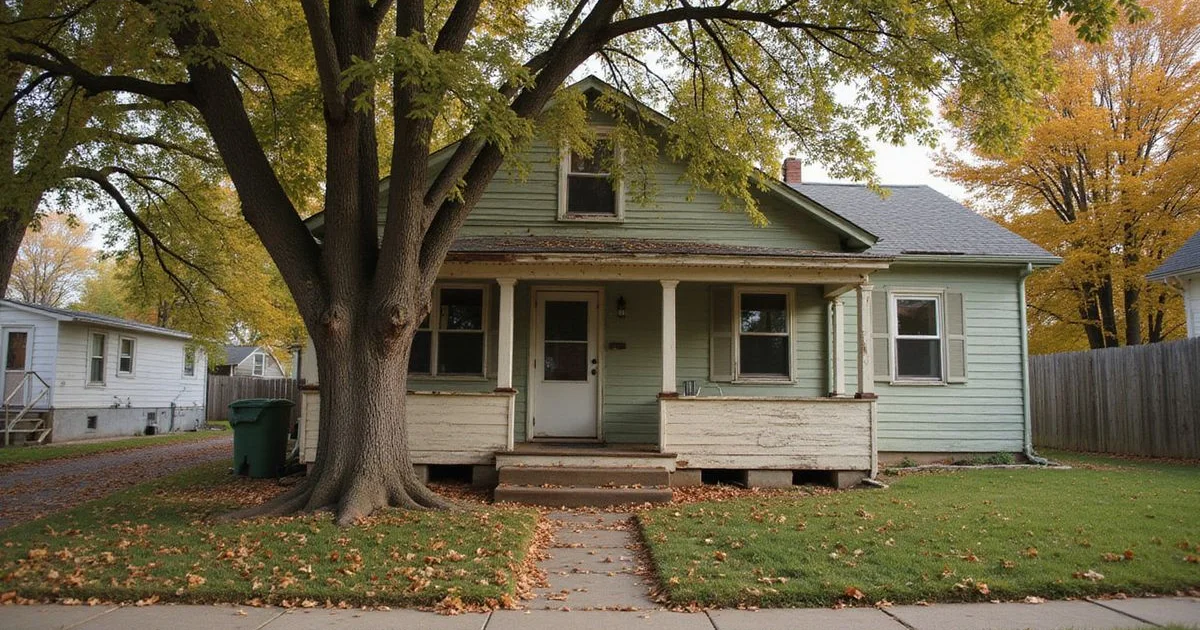
When the license or the city becomes the problem
Many Minnesota cities require rental licenses, and they inspect rentals. When a license lapses, or an inspection leads to code compliance orders the owner can’t afford to fix, landlords can feel stuck. They often aren’t. This guide covers the general picture, as part of our page on rental property. Every city runs its own program, so verify the rules for your address.
Rental licensing varies by city
Minneapolis, St. Paul, Duluth, Rochester, St. Cloud, and many suburbs have rental licensing programs, each with its own requirements, fees, and inspection schedules. Some tie license tiers to inspection results. A lapsed license can limit what an owner may do, such as collecting rent or renewing leases, depending on the city.
Open code orders
A code compliance order lists repairs the city requires by a deadline. Common items include:
- Heating, plumbing, or electrical problems
- Smoke and carbon monoxide detectors
- Stairs, railings, and egress windows
- Roofs, siding, and exterior maintenance
- Pest problems
If orders aren’t completed, cities may charge fees, suspend licenses, or take other action.
Can you sell anyway?
Often, yes. A cash buyer can buy as-is and take on the required work. A few things to check:
| Question | Why it matters |
|---|---|
| Does the city require disclosure of open orders to buyers? | Some do |
| Can orders transfer to the buyer? | Varies by city |
| Are there fees or assessments attached? | May be paid at closing |
| What happens to the rental license? | The buyer may need to apply |
| Are tenants affected by the lapse? | Depends on city rules |
We confirm these with the city and the title company for your address.
How we handle it
- We walk the property, with proper notice to tenants.
- We review the orders and the license status.
- The written offer accounts for the required work.
- We coordinate with the city and title company on what’s needed at closing.
- Tenants stay, and their leases carry over.
Why landlords end up here
Most landlords with lapsed licenses or open orders aren’t bad landlords. We usually hear one of these stories:
- An inherited rental. The owner died, the license lapsed during probate, and the heirs don’t know what the city requires.
- An aging landlord. The owner managed the property for decades and can’t keep up with inspections anymore.
- One big repair. An inspection found something expensive, like a roof, porch, or electrical service, and the owner can’t fund it.
- A tough tenant situation. Damage, nonpayment, or conflict made the owner stop investing in the property.
Whatever the story, the options are usually the same: fix and keep, fix and sell, or sell as-is.
Comparing your options
| Option | Upside | Downside |
|---|---|---|
| Complete the orders and renew the license | Keep the rental income | Up-front cost and time; more inspections ahead |
| Complete the orders and list | Higher price, wider buyer pool | Cost, time, and showings with tenants |
| Sell as-is to a cash buyer | No repairs, no showings, tenants stay | Lower than retail |
Questions to ask your city
Before deciding, call the city’s rental licensing or inspections office and ask:
- What is the current status of the license and any open orders?
- What are the deadlines, and are extensions possible?
- Are there fees or assessments attached to the property?
- What happens to the orders if the property sells?
- What must a new owner do to license the property?
Write down the answers and the name of the person you spoke with. It helps everyone, including us, plan the sale.
Tenants in the meantime
While you decide, tenants still have rights under Minnesota law and their leases. Keep up with repairs that affect health and safety, and talk to an attorney if the license status affects whether rent can be collected.
Related reading
If the house needs broad repairs beyond the code orders, see sell as-is. If you own a duplex, see selling a Minnesota duplex.
Minnesold's team includes a licensed Minnesota real estate agent. Information on this site is general and educational. It is not legal, tax, or Medical Assistance advice. Talk with a probate attorney, elder law attorney, or CPA about your situation.