
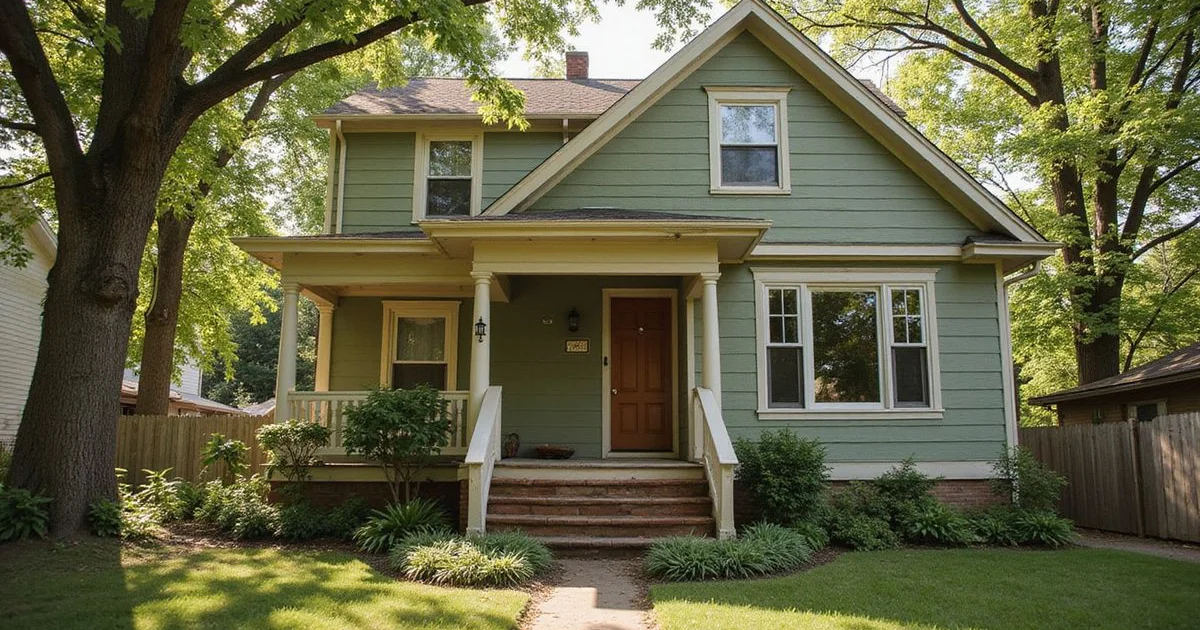
Selling a duplex is different
The Twin Cities and many older Minnesota towns are full of duplexes, both up-down and side-by-side. Selling one isn’t quite like selling a single-family home. There are tenants to consider, a different buyer pool, and often older systems shared between units. This guide compares listing with a cash sale, as part of our page on rental property.
What makes duplexes tricky to list
- Tenant-occupied showings: You need notice and cooperation, and lived-in units don’t always show well.
- Buyer financing: Buyers using a mortgage may face stricter requirements for two-unit properties.
- Condition and licensing: Older duplexes often have deferred maintenance, and rental licensing and inspections may come up.
- Rent and lease questions: Buyers want to see leases, rents, and deposits.
Who buys duplexes
- Investors looking for rental income
- Owner-occupants who want to live in one unit and rent the other
- Cash buyers who buy as-is
Listing vs. cash sale
| Listing | Cash sale to Minnesold | |
|---|---|---|
| Price | Often higher for a well-kept duplex | Lower than retail, math shown |
| Showings | Several, with tenant notice | One walkthrough |
| Repairs | Often requested | None |
| Tenants | Buyers may want vacancies | Leases carry over |
| Closing timeline | Buyer’s financing | Your chosen date |
| Commission | Negotiable, varies | None |
When listing often nets more
- Both units are in good condition
- Rents are at market and leases are clean
- Tenants are cooperative about showings
- You have time
When a cash sale often fits
- Deferred maintenance or code issues
- Difficult showings or tenant situations
- A lapsed license or open orders (see selling a rental with a lapsed license or code orders)
- You want a firm date and no hassle
Up-down vs. side-by-side duplexes
Minnesota duplexes usually come in two layouts, and each has its own quirks:
- Up-down duplexes, common in older Minneapolis and St. Paul neighborhoods, stack one unit over the other. They often share a basement, a boiler or furnace, and sometimes a water heater. Older ones may have been converted from single-family homes decades ago.
- Side-by-side duplexes, more common in postwar and newer neighborhoods, split the building down the middle. Each side often has its own systems, entry, and garage.
Shared systems matter to buyers. A single boiler heating both units, one water meter, or a shared electrical panel can raise questions for lenders and inspectors. We look at all of it during the walkthrough.
What we look at when valuing a duplex
| Factor | Why it matters |
|---|---|
| Condition of each unit | Repairs are priced per unit |
| Shared vs. separate systems | Affects repair costs and future operating costs |
| Current rents and lease terms | Leases carry over to the buyer |
| Security deposits | Transfer at closing |
| Rental license status | Some cities require licensing and inspections |
| Deferred maintenance | Roofs, porches, and exteriors are common items |
When one unit is vacant
Many duplex owners have one unit empty, either between tenants or because a family member used to live there. That’s fine. We buy with one unit occupied and one vacant, both occupied, or both vacant. A vacant unit makes the walkthrough easier, but it isn’t required.
Selling a duplex from an estate
Inherited duplexes combine two sets of questions: probate or a Transfer on Death Deed on one side, and tenants on the other. The personal representative or beneficiaries handle the sale, the leases carry over, and the title company transfers deposits at closing. If you’ve inherited a duplex, our page on selling an inherited house covers the estate side.
Compare the numbers
Get a listing estimate and a written cash offer, then compare what you’d actually net. Our guide on cash offer vs. listing in Minnesota and our calculator help. For how leases transfer, see what happens to the lease when you sell.
Minnesold's team includes a licensed Minnesota real estate agent. Information on this site is general and educational. It is not legal, tax, or Medical Assistance advice. Talk with a probate attorney, elder law attorney, or CPA about your situation.