
How do you know it’s time?
For most people, downsizing isn’t one decision. It’s a slow realization that the house you raised a family in has become more work than it’s worth. There’s no right age. Here are the signs people tell us made them start thinking about it. This guide is part of our resources on senior downsizing.
Stairs and upkeep
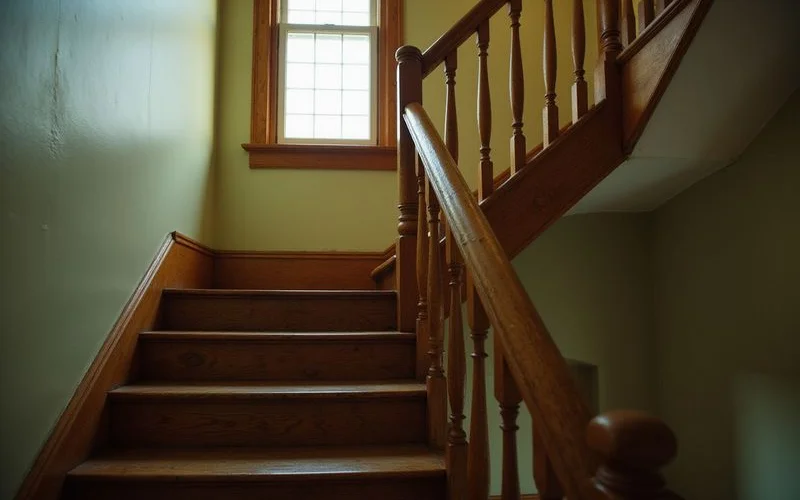
Two-story homes and split-levels mean stairs for everything: laundry in the basement, bedrooms upstairs. When stairs start to feel risky, or you’ve started living mostly on one floor, it’s a sign. So is a to-do list that keeps growing: gutters, painting, the furnace, the roof.
Snow and winter maintenance
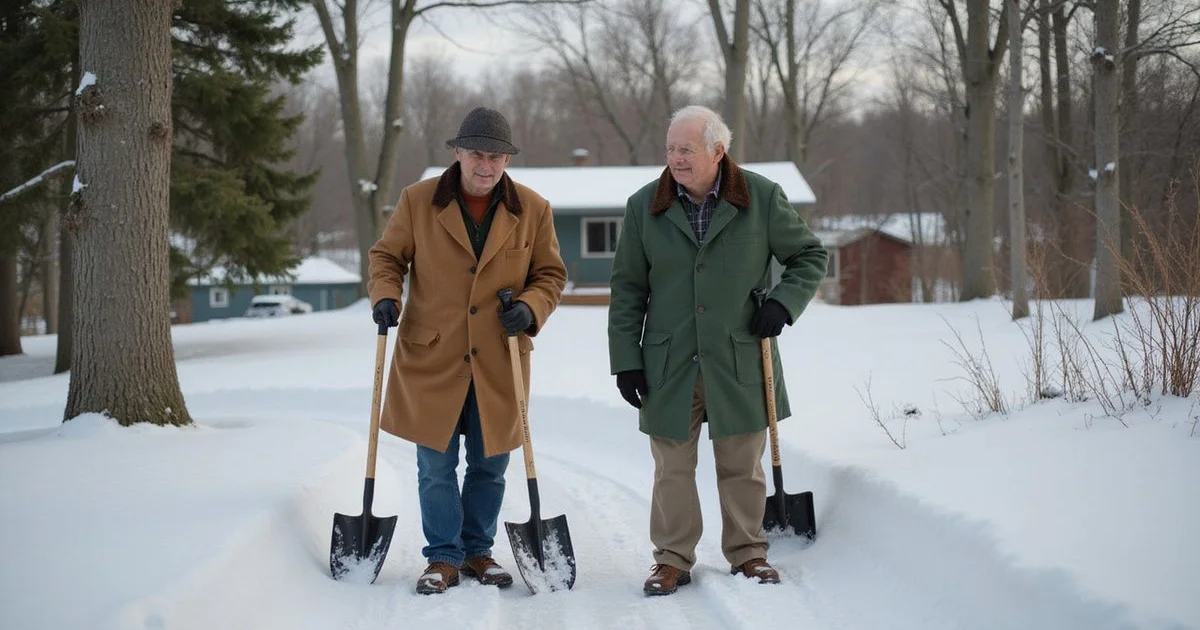
In Minnesota, winter is its own reason. Shoveling the driveway after a big storm, clearing the roof edge, worrying about ice on the steps, and paying for snow removal every year. Many downsizers tell us winter is what finally decided it.
Rooms you don’t use
Three or four bedrooms that only fill up at holidays, a formal dining room nobody eats in, and a basement full of things you haven’t touched in years. You’re heating, cleaning, and insuring space you don’t need.
The cost of an older house
Older homes get more expensive over time. A roof, a furnace, windows, or a sewer line can mean a big bill all at once. Property taxes keep rising. Sometimes selling before the next major repair makes more sense than paying for it.
A quick self-check
| Question | If the answer is yes… |
|---|---|
| Do stairs worry you? | One-level living may help |
| Is snow removal a burden? | A townhome or condo may help |
| Are three or more rooms mostly unused? | You may not need the space |
| Is a big repair coming? | Selling first may be worth comparing |
| Do you want to be closer to family? | Location may matter more than the house |
| Are you living on one floor already? | You may be ready |
Signs you might not be ready yet
- You still love the work of the house and garden
- You’re healthy and the house suits your life
- You’d miss the neighborhood more than you’d gain from moving
That’s fine. Downsizing while it’s still your choice, and on your timeline, is what matters.
Questions to talk through as a couple or family
- What do we love about this house, and would we miss it?
- What parts of the house are we avoiding, like stairs, the basement, or the yard?
- Where do we want to be in five years?
- How close do we want to be to family, doctors, and friends?
- What would we do with the time we spend on upkeep now?
- What are we afraid of about moving?
There are no right answers. Talking about them honestly usually makes the decision clearer.
Downsizing vs. aging in place
Some people choose to stay and adapt the house instead: a main-floor bedroom, grab bars, a stair lift, or hiring help for snow and yard work. Aging in place can work well, especially in a one-level home. It can also get expensive in a house with lots of stairs or deferred maintenance. It’s worth pricing both paths.
| Age in place | Downsize | |
|---|---|---|
| Stay in a familiar home | Yes | No |
| Upfront costs | Accessibility modifications | Moving costs |
| Ongoing upkeep | Same or more | Usually less |
| Winter chores | Still yours, or paid help | Often handled |
| Space | The same | Less |
Money questions to bring to an advisor
- What would we net from selling, and what would the next home cost?
- How would a move affect our property taxes and monthly budget?
- Are there tax considerations when we sell? (Ask a CPA about the home sale exclusion.)
What comes next
If you’re leaning toward a move, a realistic plan helps. Our downsizing timeline walks through how long each step usually takes, from sorting belongings to closing. When you want to compare listing with a cash sale, our licensed agent can walk you through both. There’s no pressure, and we’ll tell you if listing would net you more.
Minnesold's team includes a licensed Minnesota real estate agent. Information on this site is general and educational. It is not legal, tax, or Medical Assistance advice. Talk with a probate attorney, elder law attorney, or CPA about your situation.