
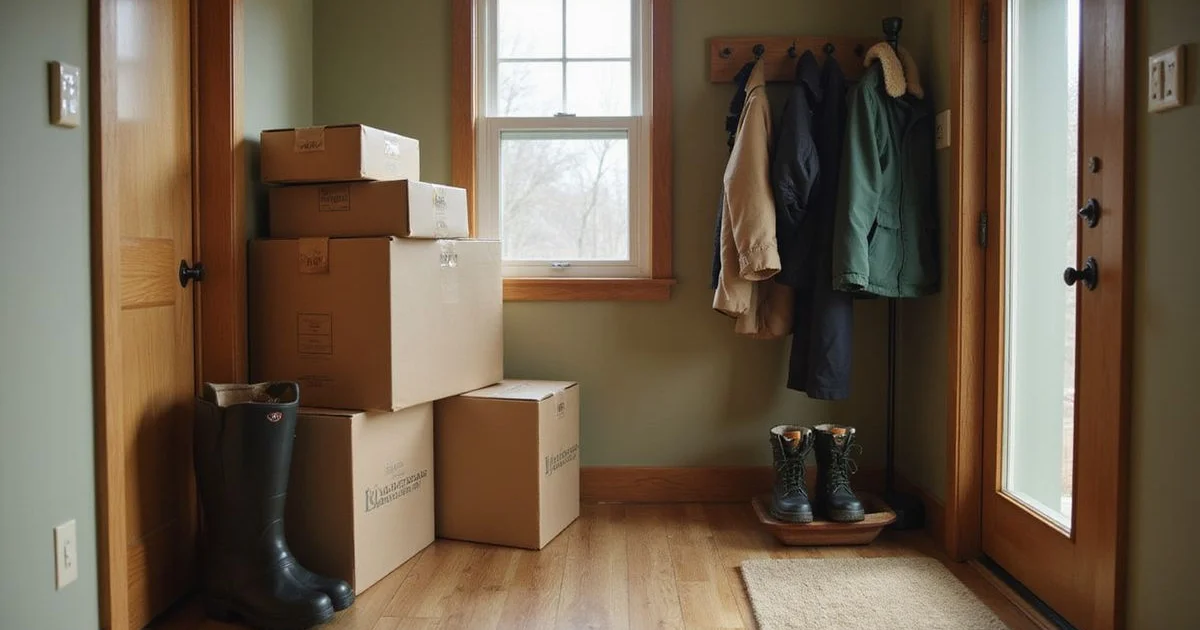
Before or after? There’s no single right answer
Families moving a parent into assisted living, memory care, or a nursing home often ask us whether to sell the house before the move or after. The honest answer is that it depends. This guide lays out the tradeoffs, as part of our resources on selling a parent’s house for care. Talk with an elder law attorney first, because timing can matter for Medical Assistance.
Selling before the move
What it can do well:
- Avoids months of carrying costs on an empty house
- Avoids the winter risk of a vacant house
- Makes proceeds available sooner, if the attorney says that’s appropriate
- One fewer thing hanging over the family after the move
What makes it hard:
- Everything has to happen at once: packing, sorting, moving, and closing
- Your parent may feel rushed out of their home
- You need a firm move date
Selling after the move
What it can do well:
- Your parent can take their time choosing what moves
- The family can sort the rest without pressure
- Moving day is calmer
What makes it hard:
- The house sits empty, often through a Minnesota winter
- Taxes, insurance, utilities, and upkeep keep coming
- Insurance vacancy terms may change coverage
- Someone has to check on it

Side by side
| Sell before the move | Sell after the move | |
|---|---|---|
| Carrying costs | Minimal | Months of taxes, insurance, utilities |
| Winter risk | None | Frozen pipes if heat fails |
| Time to sort belongings | Short | Plenty |
| Stress on moving day | Higher | Lower |
| Proceeds | Sooner | Later |
A third option: sign now, close later
Many families get a written offer early, sign when they’re ready, and set the closing date after the move. That locks in the plan while giving everyone time. Since you choose the closing date with us, this is easy to arrange. And because we buy with belongings inside, you don’t need to empty the house first.
What an empty house costs
Add up property taxes, insurance (possibly a vacant-home policy), heat and electricity, snow removal and lawn care, and any mortgage. Our vacant house carrying cost calculator does it month by month. For timing proceeds against facility bills, see timing a house sale around care costs.
If the house will be empty over winter
- Keep the heat on, and ask a plumber about shutting off and draining the water
- Arrange regular checks, more often in cold snaps
- Call the insurance agent about vacancy terms
- Plan snow removal
A sample plan for each approach
Selling before the move (example)
- Get a written offer and set the closing date a week after move-in day.
- Your parent chooses what moves to the new place.
- Family members pick keepsakes.
- Movers take what’s going; everything else stays.
- Close. We handle the cleanout.
Selling after the move (example)
- Move your parent with the essentials.
- Keep the heat on and arrange regular checks.
- Sort the rest over a few weekends.
- Get a written offer when you’re ready.
- Close on the date you choose.
How your parent may feel about each
Some parents prefer to know the house is taken care of before they move, so they can focus on the new place. Others want the house to stay “theirs” a little longer while they adjust. Ask. Letting your parent have a say often makes the whole transition easier. Our guide on talking with a parent about selling has ideas.
If your parent might return home
Sometimes a move into care starts as temporary, for rehab after a hospital stay, for example. If there’s a real chance your parent will come home, it’s usually wise to wait on selling. That’s also a situation where Medical Assistance rules may treat the home differently, so ask an elder law attorney.
Questions to ask yourselves
- Is the move date firm?
- How much does your parent want to be involved in sorting?
- Who can check on the house if it’s empty?
- What has the elder law attorney said about timing?
- What does a month of carrying costs mean for the family’s budget?
Whatever you decide, the closing date with us is yours to choose.
Minnesold's team includes a licensed Minnesota real estate agent. Information on this site is general and educational. It is not legal, tax, or Medical Assistance advice. Talk with a probate attorney, elder law attorney, or CPA about your situation.